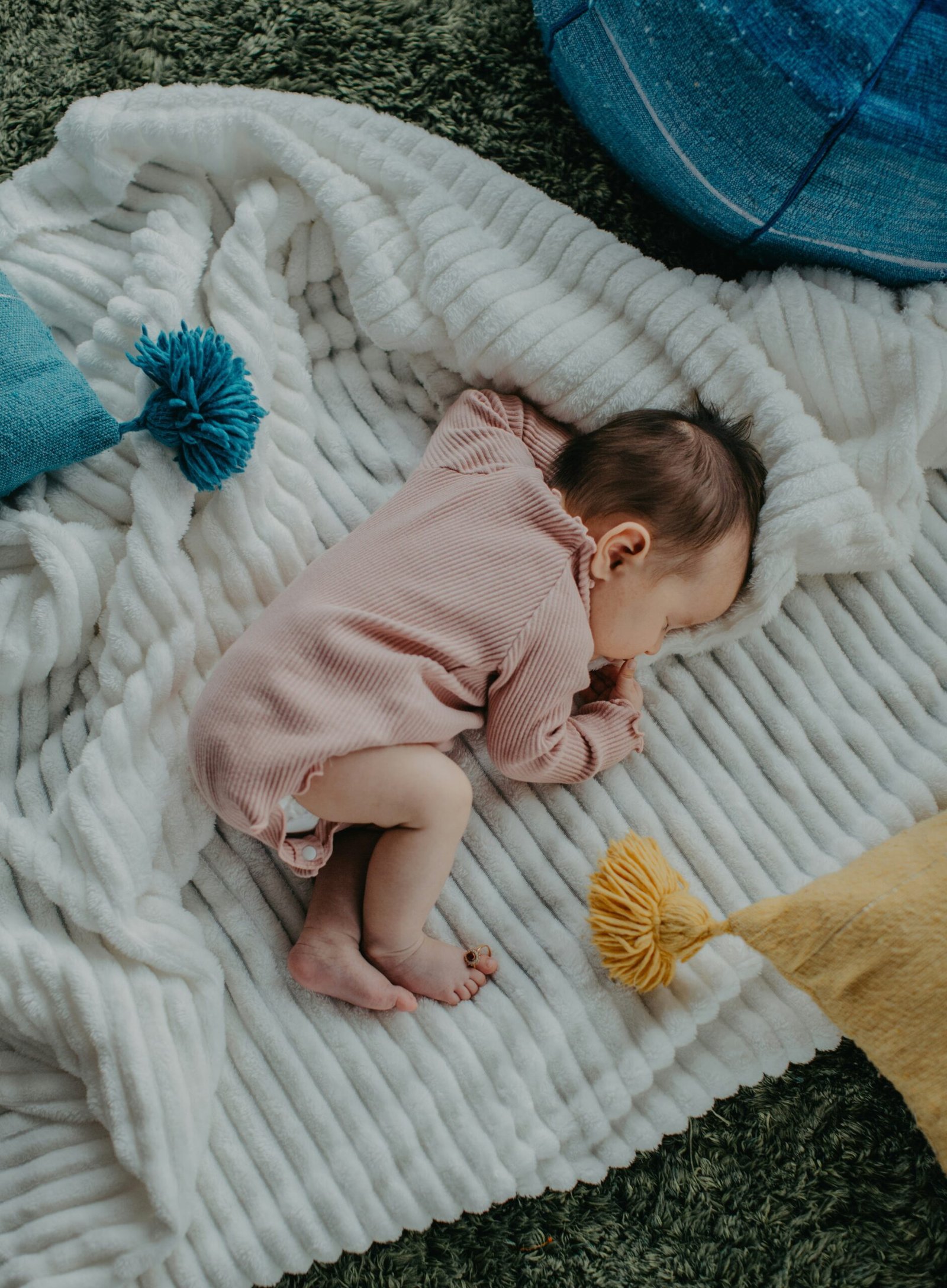
Many parents notice sudden changes in their baby’s sleep patterns and wonder, do babies sleep more during growth spurts? One week a baby may nap longer and fall asleep easily, while another week, sleep feels unpredictable. Sleep suddenly shifting catches many parents off guard. A week of long naps and smooth bedtime might flip without warning. Does extra sleep mean a growth spurt? Some weeks feel steady, others bring chaos no one expected. Confusion tends to hit hardest when you’re already tired. Normal seems hard to pin down when routines twist overnight.
Fast changes in a baby’s body and mind mark growth spurts. Sleep patterns shift, meals grow more frequent, moods swing – often without warning. What unfolds here shows how rest ties into sudden development bursts. More naps or longer nights might follow, driven by rising energy demands. Spotting signs early helps caregivers stay steady through shifts. Reactions rooted in patience tend to support both infant and adult alike.
For a closer look at the top options, explore this guide on the Best Wearable Breast Pumps for Large Breasts, featuring thoughtful picks designed for comfort and efficiency.
What Happens During a Baby’s Rapid Growth Phases
Baby bodies sometimes speed up their growth for a little while. During these times, changes might show in size, thinking skills, or a mix of both. Fast growth tends to pop up often when kids are very young.
Most babies hit these phases at familiar points – early weeks, near month three, half a year, or further along the way. Still, each child moves at their own pace.
Short bursts of growth come fast, yet shift daily habits for a bit – sleep schedules, meal times might wobble. Routines bend, though soon settle once more.
Do Babies Sleep More When They Are Growing Faster?
It turns out some infants nap longer when they’re growing fast – though every child acts differently. Since building tissue takes effort, rest gives the body what it needs. Brain pathways grow too, tucked inside quiet moments.
When parents ask, do babies sleep more during growth spurts, they are often noticing longer naps, earlier bedtimes, or fewer wake-ups for a short period.
Babies might rest more deeply when growing fast, so caregivers spot changes like naps that stretch longer. Early bedtime creeps in around those days too. Fewer stirrings at night show up briefly for some infants. The quiet hours give room for natural chemicals tied to development to move through tiny bodies.
Funny thing is, a few little ones nap longer by daylight yet stir frequently after dark. Either way works just fine – it depends on who the kid is.
Sleep And Growth Spurts Connected
Rising Calorie Demands During Rapid Childhood Development
When things grow fast, they need plenty of fuel. While resting, the body shifts its efforts into building cells, strengthening muscles, one step at a time. Deep in slumber, hormones surge – giving bones and tissues what they need to form properly.
Babies might look for extra rest because their bodies need it.
Cognitive Development and the Way Children Absorb New Skills
Fast growth isn’t just about height. While bones stretch, the mind speeds up too. Out of nowhere, fresh links between brain cells appear. Because rest sorts through the new wiring, nighttime stillness makes sense.
Because their minds work so hard, babies often get worn out faster, which means they might nap longer or need rest more often.
Typical Sleep Pattern Shifts Observed by Caregivers
Extended Daytime Rest Periods
A sudden shift in nap length often shows up when babies grow fast. Instead of thirty minutes, they might rest twice as long one afternoon. Longer sleeps can appear out of nowhere during these phases.
Most times, there’s nothing wrong here. Recovery and growth tend to go hand in hand with such changes.
A Shift Toward Earlier Nighttime Sleep
Later light exposure can delay a baby’s bedtime. Trouble settling might show up right after dinner instead of hours later, then nap time adjusts without warning.
Falling asleep earlier might actually work well when babies grow fast, provided caregivers watch how the child responds.
Fluctuations in Overnight Sleep Patterns
Most nights, one baby might rest for hours while another stirs every so often, needing food or comfort. That uneven rhythm is what leads caregivers to hear completely different tips from everyone they ask. When asking do babies sleep more during growth spurts, it helps to remember that increased sleep does not always mean uninterrupted sleep.
Wondering if babies nap longer when they’re growing fast? Keep in mind, extra sleep doesn’t necessarily come with calm nights. Still, rest periods often shift during these phases.
Feeding and Sleep Patterns Change in Growth Spurts
Noticeably Stronger Appetite Signals
Little bodies grow fast, so hunger tends to rise during these bursts. Feeding sessions might happen more frequently, although sleep time has gone up too.
When babies wake at night during a growth spurt, it might be hunger calling, not disrupted sleep patterns. As appetite grows, so does the need for rest – both rise hand in hand. A midnight cry could simply signal an empty belly asking to be filled.
Sleep After Feeding
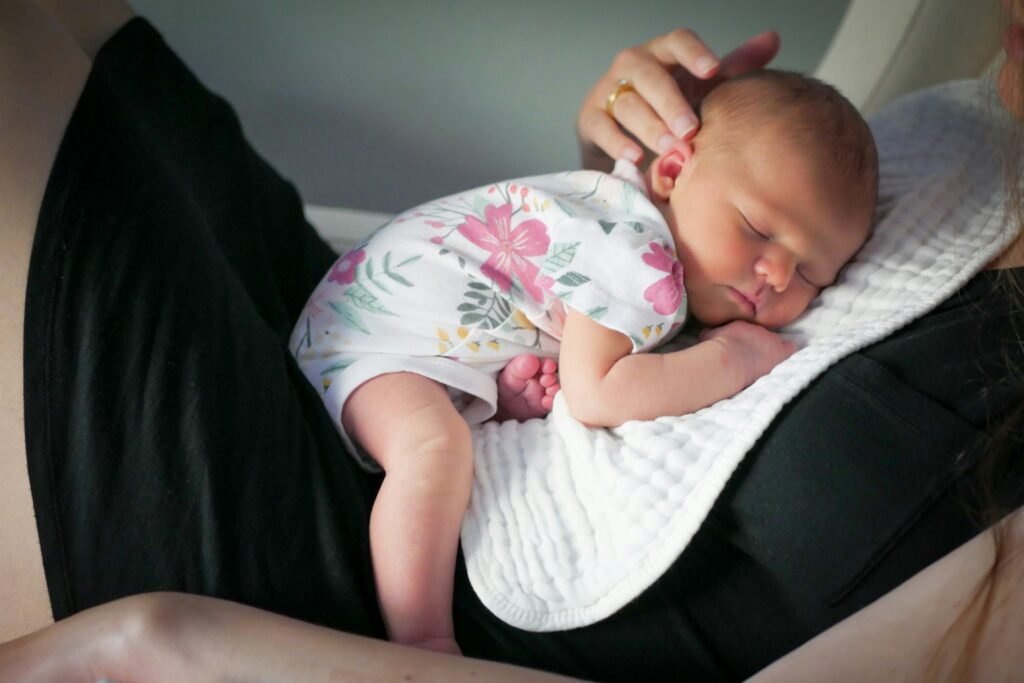
Babies often drift off soon after eating when they’re growing fast. Totally typical – no odd patterns taking root here.
Baby hunger often shapes nap times because development drives both. Rest patterns shift when energy focuses on growing.
How Long Do Rapid Growth Phases Usually Last?
A sudden rise doesn’t stick around forever. Some stretch just a handful of days, others near seven. Now and then, they drag past that, particularly when big shifts in development kick in.
Once the growth spurt ends, sleep tends to settle back into its usual rhythm. This knowledge can keep caregivers steady when nights get rough.
It helps ease tension when you see these shifts won’t last long.
Observable Indicators of Rapid Development Phases
Every now and then, kids act differently at bedtime. Noticing shifts like waking more often? Could be their body changing fast. A sudden need to nap longer might point to growing quickly. Struggling to relax and fall asleep this evening? Might not mean illness – could just be a growth wave. Eating more than usual during the day sometimes ties to nighttime rest shifts. Restless hours don’t always signal problems; growth plays a role, too. Moodiness after poor sleep may follow quick physical leaps. Changes that last only a few days tend to link with development jumps. If feeding spikes alongside tiredness, it could simply reflect natural growth
- Increased sleep or sudden sleepiness
- More frequent feeding
- Temporary fussiness when awake
- Clinginess or desire for comfort
Seeing several of these signals at once usually means things are shifting due to growth. Sometimes it’s not clear right away, yet the pattern fits a period of expanding activity. Moments like this tend to follow increasing demands or changes building slowly behind the scenes. Growth doesn’t always shout – often it shows up quietly through small shifts piling up.
Parents Changing Kids Sleep Times?
Watch How the Baby Responds
When little ones grow fast, fixed routines might not work so well – paying attention instead helps more. A yawn sooner than usual? That’s nature hinting it is time to pause and let them recharge.
Babies might nap longer when they’re growing fast, though every child shows it differently. Watch how your little one acts instead of sticking to strict schedules. Signs like extra hunger or crankiness often point to a spurt. Rest patterns shift without warning. For parents wondering do babies sleep more during growth spurts, the key is observing behavior rather than forcing routines
Avoid Overstimulation
Bursts of fast growth might leave little ones feeling flooded by their surroundings. Quiet moments while awake, along with quieter spaces when winding down, often make drifting off smoother.
Fewer worries come when rest happens naturally. Sleep improves if pressure stays away.
Parents Worry About These Things
Can Oversleeping Cause Issues?
Most of the time, more sleep while growing won’t cause issues. Provided the baby eats on schedule, has moist diapers, plus stirs now and then to engage, longer rest tends to be normal.
Fussiness during naps, trouble eating – these might mean it’s time to talk with someone who knows about kids’ health. When nighttime rest shifts along with weak energy, reaching out can make sense. A shift in sleeping paired with low appetite? That’s often worth a quick chat. Rest that feels off, especially with sluggish behavior, could need another look. Quiet moments turning restless, feeding dropping – some signs add up. Slow days or skipped meals while sleeping may signal something beneath.
Can growth spurts affect sleep patterns?
A sudden burst of growing rarely leads to lasting trouble with sleep. When that stretch passes, infants tend to slip back into how they used to rest.
Fresh shifts showing up through these stages? They’re just what growing looks like. Moments pass, patterns shift – all fits how things unfold naturally. Nothing forced here, just how it works when life moves forward.
Child Growing Fast Needs More Sleep
Out of nowhere, a baby who once slept two times each afternoon now drops into nap number three, slipping toward bedtime sooner than before. While this shift unfolds, feeding grows more frequent, with little hands reaching out, craving closeness.
Some time later, the little one slips back into familiar rhythms. That rhythm shows it was just a phase tied to growing fast, not something lasting.
Folks often wonder if naps spike when little ones grow fast – those restless nights make it clear where the curiosity comes from.
Understanding Growth Spurts Versus Sleep Regressions
Midnight fussiness might mean a growth wave instead of disrupted rest. One brings deeper naps plus extra feeding; the other shows up as broken dozing and trouble dropping off. Not twins, just different phases acting alike.
When kids sleep more, it usually means they are growing. Parents who notice shifts in rest patterns might see signs of change tied to development. Sometimes a different schedule explains the shift instead. Spotting these differences guides better reactions at home.
Such experiences help explain why the question do babies sleep more during growth spurts is so common among parents.
Healthy Sleep Through Growth Spurts
Parents can support their baby by:
- Offering rest when signs of tiredness appear
- Feeding on demand
- Keeping sleep environments calm and consistent
- Avoiding unnecessary schedule changes
Baby handles growth jumps better when these moves are followed. Steps smooth out the rough patches of fast development. Little one rides the wave of change more easily this way. Each move fits into place like a quiet helper during sudden stretches. Growth feels less jumpy when things unfold in this order.
For practical tips on spotting developmental changes, check out this guide on how to identify a baby’s growth spurt or sleep regression from Huckleberry Care.
Thinking Ahead About Baby Sleep
Little bodies shift how they sleep across that opening stretch of life. Bursts of growing mix among plenty of reasons why naps come and go.
Later on, longer stretches of rest tend to even things out after busier times. Seeing patterns like this one makes small shifts feel less troubling.
Conclusion
Therefore, do babies sleep more during growth spurts? Frequently, they tend to rest longer while their bodies and brains go through important developmental phases. Increased sleep is a common and healthy response to the physical and mental demands of rapid growth. Most times, little ones nap longer when growing fast. Sleep picks up because their bodies and minds work harder during quick development stages. Not every infant acts the same, yet deeper rest, shifts in eating, and brief crankiness tend to show up hand in hand at these moments.
When babies hit sudden growth phases, staying calm helps. A little wiggle room in routines goes a long way. These bursts don’t last forever – they’re just normal steps forward. Instead of stressing, going with the flow works better. Each leap plays its role in growing strong. Moments like these happen on their own time.