

Decoradyard garden tips by decoratoradvice can transform any outdoor space into a thriving, organized, and aesthetically pleasing garden. A spot that gets morning sun works well for most plants, giving them light without harsh afternoon heat. Think about height when placing greenery, so taller types stand behind shorter ones naturally. Water deeply but less often, encouraging stronger root systems over time. Paths made of stone or gravel add structure while making it easier to move around without stepping on beds.
Choose perennials where possible; they return each year and ask for less work overall. Color matters, yet balance keeps things calm instead of chaotic. Even small yards gain depth when layers of texture appear across different levels. Tools stay useful longer if cleaned after every use, not left outside overnight. Watch how shadows shift during daylight; some spots change conditions hour by hour.
Out there among the soil and seeds, imagination meets careful thought. Instead of guessing, pick plants with purpose – match them to light, weather, time. A shape emerges when paths curve just right, beds balance height and spread. Care becomes a habit, not chore, once routines fit your rhythm. Seasons shift, yet color stays, texture holds, life keeps moving. Reward grows quietly, leaf by leaf.
A fresh start begins with clear choices – smart layout moves shape how plants thrive. Care shifts happen step by step, tied closely to growth patterns. Beauty shows up when function fits daily rhythms. Choices build on each other, slowly turning space into something useful and alive.
Following Expert Garden Advice Can Help
Now here’s a thing – picking plants, planning where they go, caring for them later. That’s most of gardening, really. Gardening involves a lot of choices, from plant selection to layout and maintenance. Applying expert guidance like decoradyard garden tips by decoratoradvice helps you:
- Use every bit of room you’ve got
- Encourage plant growth and resilience
- Reduce maintenance challenges
- Create a visually cohesive and welcoming outdoor area
Starting right means sidestepping errors like packing too many plants close together or choosing types that won’t thrive where you live – this sets up steady results later. Though it seems small at first, getting these details sorted early makes a difference down the road.
Homeowners looking to simplify routines and maintain a comfortable environment can benefit from useful home tips and smart everyday household solutions that help keep living spaces efficient and well managed.
Planning Your Garden Space
1. Evaluate Your Yard Thoroughly
Early mornings show where light lingers, telling you which zones bake under the sun. Where rays hit longest, pick blooms that thrive when it gets hot. Under trees or near walls, cool corners open up – ferns settle well there, also hostas. Watch how water moves after rain; soggy patches need plants that don’t mind wet feet. Soil texture matters too – gritty means fast drying, dense clay holds moisture longer. Spotting these patterns before planting cuts down on wasted time. Mistakes shrink when details guide choices.
2. Choose How Your Garden Looks
Starting with symmetry or going loose and wild – your choice shapes which plants fit, where paths go, and how things are placed. When everything follows one idea, the space feels like it belongs together.
3. Plan for seasonal interest
Something nice to look at outside can stay interesting all through the year. Try mixing flowers that come back each summer with ones that only last one season, along with bushes that grow bigger over time. When you add plants that keep their leaves in cold weather, things still hold together when snow falls.
4. Set Realistic Maintenance Goals
Besides tending chores, think about the hours you actually have free. When schedules pack tight, choosing simple-care greens plus setting up slow-trickle watering lines along with soil covers that renew themselves cuts down work without harming plant life.
Planting and design strategies
5. Select Plants Wisely
Starting with what grows well nearby makes sense – match your garden to the region’s weather, dirt type, and how much rain it gets. Since they’ve been here long before people started planting, species that belong naturally often thrive without constant attention. These familiar flowers tend to fend off bugs better, need fewer fixes, plus help bees and butterflies do their thing. Take purple coneflowers or those bright yellow daisies known as black-eyed Susans – they bring bold color through seasons while asking for almost nothing.
6. Group plants by their growth needs
Even tall plants belong behind others when setting up a garden row. Front edges often work better with small types that stay low. Spread them out right so air moves between each one. A gap here keeps sickness away, helps roots stretch. Growth likes room plus quiet light.
7. Functional and decorative elements included
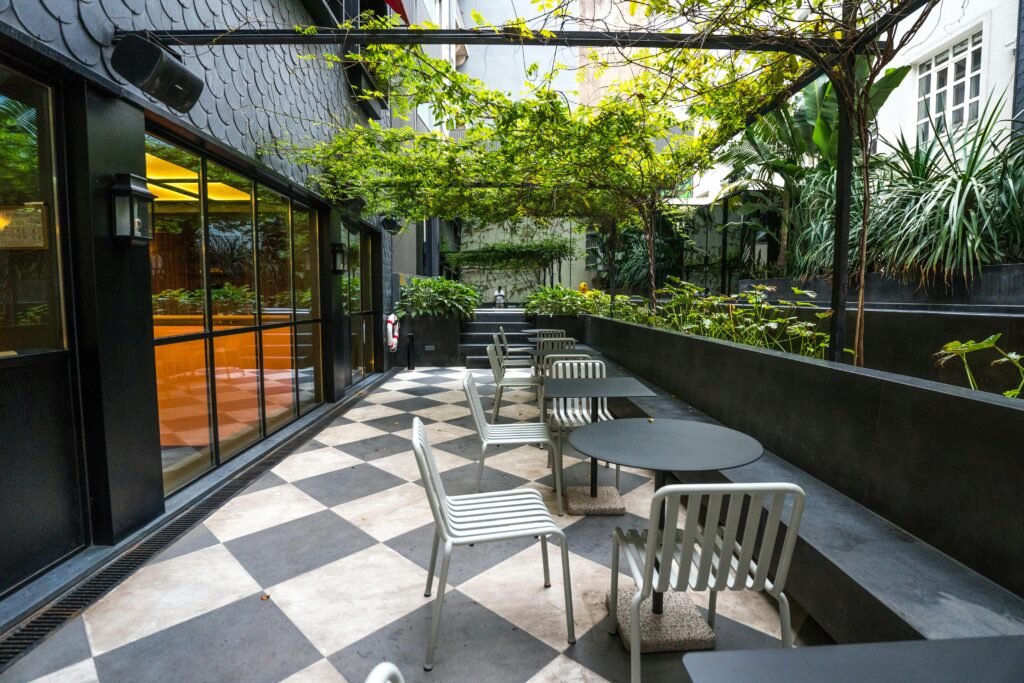
Hidden in plain sight, paths wind through gardens where benches wait beneath leafy canopies. Instead of mere decoration, these features open up space for movement and rest. Stone trails cut across blooms, guiding steps without fuss. Under sheltering branches, sitting spots turn pauses into moments. Function blends with form when design thinks ahead.
Water and soil care
8. Optimize Water Usage
When the sun sits low, less water vanishes into the air. Roots grow strong if they get steady drops right where needed. Instead of spraying overhead, sending wetness slowly through tiny lines works far better for most plots. Plants drink deeply when given time before heat arrives or after it fades away.
9. Mulch and fertilize with care
Moisture stays put when mulch covers the ground, while weeds struggle to push through. Bark or straw breaks down slowly, feeding the earth beneath bit by bit. Temperature swings ease under a blanket of garden cover. Compost feeds vegetable roots well, though flowering types often do better with steady nutrient supply. Fertility builds quietly when materials decay into the dirt, matching what each plant asks for.
10. Monitor Soil Health
Watch the ground’s acidity and nutrients often. When needed, feed it with compost or minerals – this keeps plants growing well. Strong soil means tougher plants that hold water better. It changes how roots survive. What manages to thrive on the surface is always shaped by the hidden layers of soil underneath.
Garden Health and Pest Management
11. Watch for pests and diseases
Paying close attention now and then really matters. Spotting things such as pale green foliage, chewed edges, or lopsided sprouts helps catch trouble early. When found fast, problems respond better to plant-friendly solutions instead of harsh chemicals, which keeps the rest of the garden from going downhill.
12. Encourage Beneficial Insects
Bugs, including ladybugs, bees, and lacewings, help plants bloom while keeping destructive bugs in check. Marigolds or lavender growing nearby bring these allies close, making the backyard’s living web stronger over time.
improving how your garden looks
13. Color and texture used with care
Start with a clump of feathery grass beside something wide-leaved, maybe a hosta or coral bell. Dark leaves up front can make bright blooms behind them seem to glow at dusk. Try pairing rough stems with soft petals just to see how it feels. A splash of purple next to pale yellow shifts the mood entirely. Notice how spiky shapes stand out when surrounded by rounder forms. Light-colored flowers often look bolder against deep green backdrops. Sometimes an odd mix – like fuzzy leaves near slender blades – creates balance you did not expect.
14. Seasonal Decorative Elements
Summer might bring lanterns along the path. Garden sculptures shift when leaves start to turn. A different planter appears each season without warning. Pumpkins show up by the steps come autumn. Light fixtures surprise at dusk now and then. Decor moves around like it has its own rhythm. Nothing stays fixed, yet nothing feels out of place.
15. Create Focal Points
A single bench tucked into greenery pulls your eye first thing. Water trickles nearby beside a twisted trunk that stands apart from the rest. These spots hold the space together without shouting about it. Movement happens around them like paths bending toward shade. Balance comes quietly when one piece answers another across the yard.
Real-Life Application
A gardener following decoradyard garden tips by decoratoradvice might begin by assessing sunlight zones, planting native flowers for year-round color, creating a mulched pathway for easy access, and adding a small bench under a flowering tree. Footsteps find their way along bark-dressed trails that weave between green edges. Beneath arching branches sits wood shaped for resting, still. Beauty slips into practical choices when roots settle, and care feels light. Life moves easily in soil prepared with attention paid to how things grow.
For more creative ideas on designing relaxing patios, gardens, and outdoor living areas, you can explore inspiring outdoor space ideas and creative backyard design inspiration.
Long-term Gains From Skilled Garden Layout
By applying these tips, gardeners can enjoy:
- Stronger, healthier plants
- Reduced maintenance time and effort
- Visually appealing and functional outdoor spaces
- Increased sustainability and environmental contribution
A backyard shaped with care lifts how the house looks while offering quiet moments, thoughts that wander free, then paths into green life. Sometimes stone steps lead nowhere obvious yet still invite slow walking. Light through leaves changes hour by hour like mood shifts on skin. Sitting still here makes sound grow louder – birds, wind, distant talk. Roots run deep under fences, linking one yard to another without asking. Growth happens even when nobody watches.
Conclusion
Decoradyard garden tips by decoratoradvice provide practical, actionable, and strategic guidance for transforming any yard into a thriving, beautiful outdoor space. Beauty grows where planning meets soil. Small changes, when linked right, shift everything. What works well also looks calm. Ideas stick better if they fit real life. Good flow outside mirrors comfort inside. Details matter most when they go unseen. Shape matters more than color, often. Think slow, grow steady, watch closely.
A space that welcomes people and animals alike can grow naturally when smart ideas take root. With careful choices, comfort meets nature across seasons. Year after year, simple changes invite life and calm without effort.