
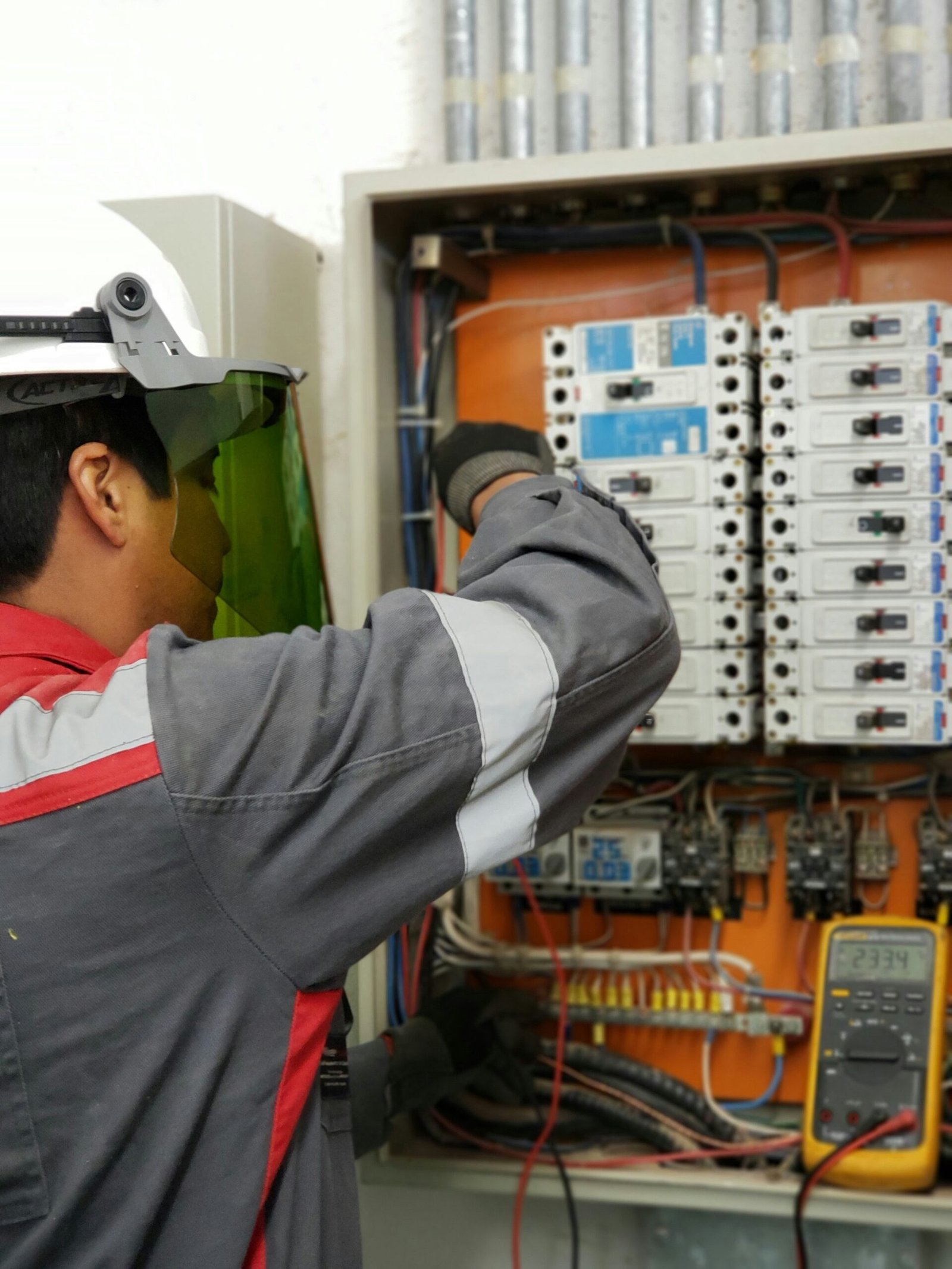
Change hit factories hard in recent years. As orders climb, delays shrink, quality stays tight – firms must grow fast but stay sharp. To handle that load, wiring smart machines into workflows makes a difference. Instead of just adding workers, circuits guide tools, robots move parts, sensors track output – mistakes drop, speed rises. This kind of setup lets plants push more out the door while keeping standards high and spending low.
Enhancing Production Efficiency
What makes electrical automation stand out is how it uses circuits and gadgets to run machines without constant hands-on work. Manual tasks in old-style factories often lead to mistakes because people tire or slip up. On the flip side, machines set to auto keep doing the exact same thing every time – cycle after cycle. Staying steady like that matters a lot if a company wants to grow. These setups push through shifts nonstop, shift gears when demand changes, deliver the same results each round – all vital when filling big batches fast.
What stands out about electric automation? It gets the most from machines. Sensors track how hard motors work, how fast belts move, power use – on the spot – and shift things as needed. When orders slow, so does the line, using less juice without losing product. Less waste adds up. Over time, bills shrink even when output grows. Companies grow, yet spending stays lean. Efficiency gains pay quiet dividends.
Less downtime fewer risks
One big part of growing output lies in cutting idle time. When machines fail without warning, problems spread fast – especially across wide operations. Because automated electrical systems watch performance closely, small glitches show up early. Hidden sensors inside gear spot odd behavior well ahead of breakdowns, so repair crews step in before trouble grows. Staying ahead like this means fewer surprise halts, longer machine life, steady workflow despite rising demand. Production keeps moving, quietly, reliably, without sudden pauses dragging things down.
Machines taking over risky jobs means fewer people need to handle them. When tough work runs on its own, injuries drop while output stays steady. Firms aiming to grow find it easier when machines keep things moving without pause. Labor shortages stop being a roadblock when systems run nonstop. Smooth operations open space for expansion, quietly, without fuss.
Supporting Flexible Manufacturing
Out of nowhere, production needs keep shifting. Firms now face pressure to switch between items fast, without losing speed. Yet staying efficient remains key. Machines run by electrical signals handle change better than old methods. When plans shift, these setups adjust on short notice. New versions, different amounts, altered steps – none of it stops them for long. One moment workers are reconfiguring machines by hand, the next – automated systems glide into new tasks without delay. Shifting output now feels less like turning a ship and more like adjusting a stream midflow. Flexibility locks step with speed, so growing volume doesn’t dull reaction time.
When machines handle timing, making things on demand gets easier. Because steps line up – materials arriving, parts assembling, equipment running – waste drops and output climbs. As factories push out more products, tight coordination matters even more. Smooth operations stay within reach, even when scaling up fast.
Data-Driven Decision Making
One big plus of using electrical automation in growing factories? It helps decisions get made based on actual numbers. Machines today collect loads of information – how fast things are built, how much power gets used, whether tools are wearing out, or if steps in a process drag. Spotting trends in that data lets leaders see what’s slowing them down, guess when machines might fail, and line up work plans smarter. When a business expands, knowing what’s really happening keeps money and time from being wasted. That kind of clarity shapes how teams spread out workers, gear, and tasks across bigger workflows.
Over time, patterns in electrical automation data help factories get better. When changes are tracked, improvements happen – less waste shows up, machines run smarter. Little upgrades add up, making it easier to grow without spending more. Quality stays strong even when output climbs.
Conclusion
Electrical automation sits at the heart of how today’s factories grow. Because machines handle repetitive tasks, output rises while mistakes drop. When systems run without constant human oversight, shifts happen smoothly – quality stays steady. With smart sensors in place, problems show up early instead of shutting things down later. Since equipment talks to software, fixes arrive before failures strike. Information flows where it is needed because digital tools track every stage. Decisions come easier once patterns emerge from live feedback loops. Over time, choices based on numbers reshape how work gets done.
One step ahead often means machines doing more while people plan next moves. Growth now depends on wiring smart systems into daily work instead of treating them like extras. Firms using automated setups handle bigger orders without stretching thin. Staying relevant in tough markets comes down to consistency – something circuits and sensors help deliver. Efficiency jumps when manual steps give way to timed responses. Lower expenses show up where energy or labor once
drained budgets. Future-ready factories start small: a sensor here, a feedback loop there. Innovation grows quietly in places where repetition meets precision.