
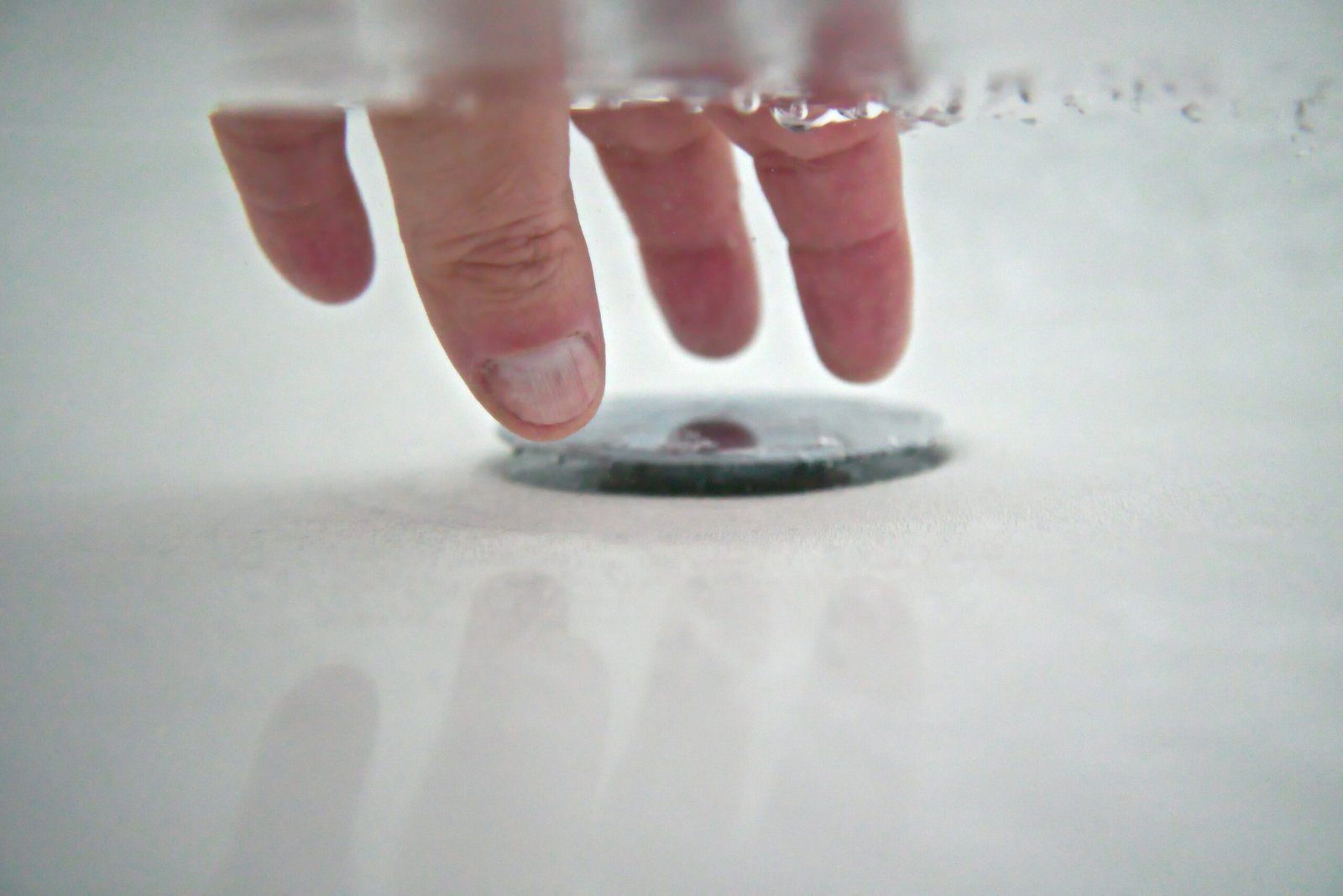
Learning how to unclog a shower drain the right way helps homeowners handle common drainage issues without immediately turning to costly repairs while exploring more home improvement and plumbing guides for practical maintenance tips. In many cases, the clog can be cleared with basic household tools, and the right approach. All it comes down to is to figure out the root cause and use the right technique depending on the blockage type.
One of the most common problems that people who own houses run into with their bathrooms is a clogged shower drain. While the issue usually starts out slowly, with water not draining out as quickly as it should, before long it could turn into a severely clogged shower drain creating a lot of water build up and some nasty smells, and perhaps even worse problems with your plumbing.
Several different types of material may contribute to the clogging of a shower drain; hair is one of the more common. It may combine with soap buildup, the accumulation of residue from shampoo and other products, or mineral deposits and foreign objects. In some cases, the hair that is clogging the drain will be easily accessible for removal, whereas other clogs may need to be snaked out, and a shower drain clog removal process may be necessary.
This extensive guide explores the best methods for removing a shower drain clog, the common reasons that drains clog, advice from professionals and some easy tips for avoiding clogs in the first place. Regardless of the severity of your clogged shower drain, knowing how to clear it is crucial.
What Readers Need to Know First
Before learning how to unclog a shower drain problem, it is important to identify the severity and possible location of the blockage.Not every drain problem calls for the same fix.
A lot of homeowners will opt for the first available chemical cleaners and purchase strong products in a rush without even discovering what caused the blockage. The vast majority of shower blockages are relatively simple and can be cleared using a variety of physical methods of cleaning the drain.
A few questions can help determine the best solution:
- Is the water moving slowly, or has it stopped draining altogether?
- Did the problem appear suddenly or gradually?
- Are other drains in the home affected?
- Have previous cleaning products already been used?
If your shower is the only fixture to be experiencing this problem, the blockage must be within the drain line in the shower or just beyond. However, if your other fixtures like sink, toilet, etc. Are also facing the same, you have a much larger plumbing issue.
Before applying any plumbing methods yourself, make sure to have your tools and materials. You’ll need:
- Rubber gloves
- Flashlight
- Drain brush
- Plunger
- Drain snake
- Bucket
- Cleaning cloth
Having the correct equipment makes the process easier and reduces the chance of damaging plumbing components.
Understanding Shower Drain Blockages
A drain installed in the floor of a shower is meant to conduct all of the wastewater out of the room via the complex array of pipes located underneath it. You can tell at a glance that all that seems to be involved in this plumbing feature is the small, round opening in the drain itself, but there’s more to the unit than that. When debris happens to make its way into the unit’s inner structure the movement of water through the shower drain may come to an end.
The Drain Cover and Strainer
The drain cover is the first area where debris collects. Its job is to keep larger debris from traveling deeper into the plumbing.
Over time, the drain cover may collect:
- Loose hair
- Soap particles
- Dirt
- Personal care product residue
Cleaning this place more often is one of the simplest and best ways to keep a clogged shower drain at bay. Homeowners rarely remember drain cover and only care about what’s below it. But taking all visible dirt off this place can help with your initial drainage problems.
The Drain Trap
Beneath the shower floor is a curving piece of pipe, known as a trap, which holds water to seal off your sewer from your bathroom. While this trap is necessary for your plumbing, it can gather some of the same kind of gunk as the rest of your pipes.
The Drain Pipe
The drain pipe transports wastewater away from the shower. When residue builds up along the inner walls, the opening becomes narrower.
This gradual buildup can lead to:
- Slow water movement
- Frequent blockages
- Standing water
- Unpleasant odors
Now we are going to briefly explain all these systems and plumbing parts. Understanding these systems are important for you to be sure you pick the right systems or don’t randomly pick something without actually fixing the issue.
Common Causes of Shower Drain Clogs
To arrive at an efficient solution you should always start by identifying why there is a clog. Every obstruction will respond to specific forms of clearing debris.
Hair Buildup Inside the Drain
The hair that’s usually the culprit for why you’d want to remove hair from the shower drain is simply from the loose hair that sloughs off of your body while showering. Eventually, strands will bind together and mix with other bits of gunk that make their way into your shower drain. These might include:
- Conditioner
- Shampoo
- Soap residue
- Body oils
This produces a glutinous substance that prohibits the water flow. Most of the hair blockages are easier to clear than other blockages since most hair blocks the drain pipe from very near. With a basic drain cleaning tool or manually, you may clear the clog immediately. Setting up a hair catcher or mesh will significantly reduce these kind of drain blockage.
Soap Scum and Product Residue
Many shower products contain ingredients that do not completely dissolve in water.
Over time, substances from:
- Body wash
- Shampoo
- Conditioner
- Shower creams
can stick to pipe surfaces.
This buildup gradually reduces the available space inside the pipe and contributes to a slow draining shower.
Unlike a simple hair clog, soap residue may require regular maintenance because it accumulates slowly.
Hard Water Mineral Deposits
Hard water homes are susceptible to further issues when it comes to drainage. This is because mineral deposits from calcium and magnesium may accumulate inside your pipes, causing them to be rough and creating additional surfaces to catch further blockage debris. Unlike more common blockages, mineral build-up is often harder to dislodge as it is not from loose debris and may need specific methods to break it down.
Dirt, Oils, and Organic Material
When you shower, small amounts of dead skin cells, natural oils and dirt go down the drain.
While these items would normally flow freely through your drain, they can mix with soap scum to form clogs. These drain cleaning techniques eliminate these buildup-causing agents.
Foreign Objects
Sometimes objects accidentally enter shower drains, including:
- Small plastic items
- Bottle caps
- Jewelry
- Packaging pieces
These objects can create sudden blockages that cannot always be solved with ordinary cleaning methods.
In such situations, physical removal is usually necessary.
Why Proper Shower Drain Maintenance Matters
Often homeowners overlook the early signs of trouble in drainage simply because their showers still work. But ignoring a simple issue will turn it into an expensive plumbing repair down the line.There are some major benefits to proper maintenance
Prevents Water Damage
A blocked shower drain can cause water to remain on the bathroom floor longer than normal.
Excess moisture may contribute to:
- Mold growth
- Damaged flooring
- Unpleasant bathroom conditions
Addressing problems early helps protect your home.
Reduces Odors
Organic matter trapped in a drain can lead to bad odors.
Regular cleaning supports better bathroom maintenance tips and helps maintain a fresher environment.
Improves Plumbing Performance
A clean drain helps water travel through the pipes more easily.
Preventive care reduces stress on the plumbing system and lowers the chance of repeated blockages.
Comprehensive Methods to Unclog a Shower Drain
After you determine what is blocking your drain, you should choose the best method for unblocking your drains. Generally, it is always better to begin with simple methods before graduating to complex ones, if they become necessary.
Method 1: Remove Visible Debris Manually
For many shower drain issues, the simplest and most efficient fix is the easiest one-you can usually reach the clog and remove it. Hair and soap scum accumulate right under your shower drain cover. Reach under the grate of your shower and check for blockages you can physically take out before you break out the plumbing products.
Follow these steps:
- Put on rubber gloves.
- Remove the drain cover if possible.
- Pull out visible hair and debris.
- Clean the drain cover.
- Flush the area with warm water.
This method works best when the drain has started to slow down, but the water is still running down it, even if very gradually. Most people can clear out the most common plumbing blockages, such as those made from hair, in just the same way by cleaning them out before they have moved too far down the drain.
Method 2: Use a Drain Snake for Shower Clogs
When the clog is further down the pipe a drain snake is another option for use in a shower. A drain snake is a long, flexible rod used to fish deep down into pipes and grab whatever has caused the obstruction. It will pull out the problem as opposed to chemical products that can only dissolve it.
To use a drain snake properly:
- Remove the drain cover.
- Feed the snake into the drain opening slowly and carefully.
- Rotate the handle to catch the blockage.
- Move the tool carefully until resistance is felt.
- Pull the snake back with the trapped material.
- Run warm water to test drainage.
This method works particularly well for:
- Hair clumps
- Soap buildup
- Small debris
A drain snake is one of the most recommended shower drain clog removal tools because it directly targets the source of the problem.
Method 3: Try a Plunger
A plunger can help remove certain types of blockages by creating pressure inside the drain pipe.
For the best results:
- Make sure there is enough water around the plunger cup.
- Place it firmly over the drain opening.
- Push and pull several times.
- Check whether water begins flowing normally.
A plunger works best when the blockage is loose and can be moved by pressure.
However, it may not be effective for:
- Solid objects
- Hardened mineral buildup
- Large hair masses
If repeated plunging does not improve drainage, another method may be necessary.
Method 4: Use a Natural Drain Cleaner
Many homeowners prefer an environmentally friendly approach and search for ways to unclog shower drain naturally.
A common household solution involves baking soda and vinegar.
The general process includes:
- Pour baking soda into the drain.
- Add vinegar afterward.
- Allow the mixture to sit.
- Rinse with warm water.
This method may help loosen:
- Light soap residue
- Minor organic buildup
- Small amounts of dirt
Nonetheless, remember to be realistic: A natural drain cleaner is not the magic bullet for serious pipe blockages, like a large hair clog, and is best suited for routine maintenance rather than a crisis.
Method 5: Flush the Drain With Warm Water
Warm water can help dissolve small amounts of residue and maintain cleaner pipes.
This approach works well when the issue is caused by:
- Soap film
- Conditioner buildup
- Light grease-like residue
A simple process:
- Heat water until it is warm or hot.
- Slowly pour it into the drain.
- Wait several minutes.
- Test water flow.
Avoid using extremely hot boiling water in older plumbing systems because some pipe materials may not handle high temperatures well.
Method 6: Consider a Commercial Shower Drain Cleaner
The store will carry drain cleaners but, if used, caution should be advised. Many store brands of drain cleaners for a shower will help dissolve organic matter but after long use, they may cause you problems.
Potential concerns include:
- Damage to pipes
- Strong chemical exposure
- Reduced effectiveness over time
- Harm to plumbing connections
Before using any chemical product:
- Read the instructions carefully.
- Never combine different cleaners.
- Use protective equipment.
- Ensure proper ventilation.
Many plumbing professionals recommend mechanical cleaning methods first because they remove the actual blockage rather than temporarily breaking it down.
Expert Insights: How Professionals Handle Shower Drain Problems
Professional plumbers usually begin by diagnosing the problem instead of immediately applying a solution.
They consider:
- The location of the blockage
- The type of material causing the clog
- The condition of the plumbing system
- Whether the problem happens repeatedly
For example, a hair blockage near the drain opening may require only a simple cleaning tool, while repeated blockages may indicate deeper pipe issues.
Experts also emphasize prevention. A homeowner who spends a few minutes maintaining their shower drain regularly can avoid many common plumbing emergencies.
Important Considerations Before Unclogging a Shower Drain
Although many homeowners can solve basic drainage problems themselves, there are important safety and maintenance considerations to remember.
Avoid Combining Different Cleaning Products
Mixing up cleaners with multiple chemicals is a major mistake. Many products can react with other chemicals to form poisonous fumes and ruin your pipes and plumbing. If you have used a chemical cleaner already, refer to the instructions of that cleaner prior to trying anything else.
Do Not Force Tools Into Pipes
When using a drain snake or cleaning tool, avoid applying excessive pressure.
Forcing tools aggressively may:
- Damage pipes
- Break drain components
- Push the blockage deeper
The goal is to remove the obstruction carefully, not move it further into the system.
Know When Professional Help Is Needed
DIY solutions are effective for many common clogs, but some situations require professional assistance.
Contact a plumber if:
- Water remains completely blocked.
- The clog returns frequently.
- Multiple drains are affected.
- There are sewage smells.
- Strange sounds come from pipes.
These signs may indicate a larger issue beyond a simple shower blockage.
Best Practices to Prevent Future Shower Drain Clogs
The best solution is preventing problems before they start.
A few consistent habits can greatly reduce drainage issues.
Install a Hair Catcher
Perhaps the simplest prevention accessory, a hair catcher. This catch is helpful to capture fallen hairs before the reach your drain, making unclogging very simple to avoid. When it comes to the average home, it particularly is helpful when people with longer hair utilize this sink stopper or have many people living in the household.
Clean the Drain Regularly
Do not wait until water stops flowing.
Regular maintenance may include:
- Removing visible debris weekly
- Cleaning the drain cover
- Checking drainage speed
- Flushing pipes occasionally
These simple steps support better long-term plumbing performance.
Reduce Product Buildup
Using large amounts of thick products can contribute to buildup.
Helpful habits include:
- Avoiding excessive conditioner use.
- Rinsing the shower area properly.
- Keeping drain covers clean.
These small changes help maintain better water movement.
Pay Attention to Early Warning Signs
Most serious clogs develop gradually.
Watch for:
- Water draining slower than usual
- Bad smells
- Gurgling sounds
- Small amounts of standing water
Addressing these problems early is one of the easiest ways to prevent shower clogs.
Real-Life Applications of Shower Drain Unclogging
Knowing how to unclog a shower drain is useful in many real-life situations, from everyday household maintenance to managing older plumbing systems. Different circumstances may arise in each particular home – the presence of Hard Water, the more extensive or frequent use of a bathroom, a faulty pipe etc… – and each of them necessitates particular solutions. Awareness of the causes makes it possible to seek out better alternatives to solve the issue and thus cut unnecessary costs on the plumbers and other specialized staff, as well as to delay as much as possible such expenses.
Handling a Busy Household Bathroom
Family Shower drain blockage in homes with a lot of family members, there is a good likelihood that you’ll discover your drain gets stopped up a lot more commonly. When a lot of individuals utilize the very same shower, it brings more hair, soap gunk as well as a lot more private treatment things down the drainpipe. This can occur extremely conveniently with houses on the move as well as is an advantage of preventive measures.
Useful habits include:
- Cleaning the drain cover regularly.
- Removing visible hair after showers.
- Checking drainage speed every few weeks.
- Using a hair catcher.
These small habits can lower the risk of a serious clogged shower drain and keep water flowing steadily.
Solving Drain Problems in Rental Homes
Rental plumbing often brings its own frustrations. Tenants often complain about sluggish drainage and will have trouble figuring out if the drain has a slow drain because they habitually fill it with too many hairballs and grease or because it’s always been a problem. Minor issues such as clearing debris or snake the drain may solve these problems.
However, renters should contact property management when:
- The blockage keeps returning.
- Multiple fixtures are affected.
- Water backs up frequently.
- There are signs of plumbing damage.
Recurring problems may indicate an issue within the building’s plumbing system rather than a simple drain blockage.
Older Homes and Plumbing Maintenance
Older homes often require extra attention because plumbing systems may contain aging pipes or outdated designs.
Common challenges include:
- Mineral buildup
- Reduced pipe capacity
- Corrosion
- Frequent drainage issues
In these situations, homeowners should avoid aggressive cleaning methods that may damage older plumbing components.
Gentle approaches, regular inspections, and professional maintenance are often better long-term solutions.
Apartment Buildings and Shared Drainage Systems
The shared plumbing system can lead to drainage problems if it is used by multiple people in an apartment complex. Another sign your plumbing issue may extend beyond the confines of your own bathroom is when a shower drain, along with other plumbing fixtures in your home, becomes clogged.
Warning signs include:
- Slow kitchen sink drainage
- Toilet issues
- Multiple blocked drains
- Unusual pipe sounds
These situations usually require professional evaluation because the issue may involve the main drainage line.
Common Questions Readers Have
What is the fastest way to unclog a shower drain?
The fastest way will depend on what is blocking your drain. If the hair is close to the top you will probably want to simply remove it by hand as this will likely be the fastest way to clear it up. If the hair is deeper down you will probably want to grab your drain snake.
They will generally work more quickly than trying to dissolve the blockage.
If you are experiencing issues from mineral build up or broken pipes you will most likely want to call a plumber.
How do I know if my shower drain is clogged?
Common signs of a blocked drain include:
- Water pooling during showers
- Slow water movement
- Bad odors
- Gurgling sounds
- Water returning after draining
A slow draining shower is often the first warning sign, so addressing it early can prevent a complete blockage.
Can I unclog a shower drain without using chemicals?
Yes. Many shower drain problems can be solved without chemical products.
Effective non-chemical methods include:
- Removing visible hair
- Using a drain snake
- Applying a plunger
- Flushing with warm water
These approaches are often safer for plumbing systems and reduce exposure to harsh chemicals.
Is baking soda and vinegar effective for shower drain clogs?
Baking soda and vinegar can help with minor buildup and odors, but they are not a universal solution.
They may loosen:
- Soap residue
- Light organic buildup
- Small amounts of debris
However, they usually cannot remove thick hair clogs or solid objects trapped inside pipes.
Why does my shower drain keep clogging?
A repeatedly blocked drain usually means the underlying cause has not been fully solved.
Possible reasons include:
- Deep hair buildup
- Mineral deposits
- Incorrect cleaning method
- Aging pipes
- Excessive product residue
If the same problem returns frequently, a professional inspection may be needed.
How often should I clean my shower drain?
The ideal cleaning schedule depends on usage.
A good maintenance routine includes:
- Checking the drain weekly.
- Removing visible debris regularly.
- Performing deeper cleaning every few months.
Homes with multiple users or long hair may require more frequent attention.
Can a clogged shower drain cause serious problems?
A small blockage may only create inconvenience, but ignoring it can lead to bigger issues.
Long-term drainage problems may contribute to:
- Water damage
- Mold growth
- Persistent odors
- Increased plumbing stress
Early maintenance is usually the simplest and most affordable solution.
Key Takeaways
Learning how to unclog a shower drain helps homeowners handle one of the most common bathroom plumbing problems effectively.
The most important points to remember are:
- Identify the cause of the clog before choosing a solution.
- Hair is the most common reason shower drains become blocked, and using an effective drain protector for hair can reduce buildup inside your plumbing.
- Start with simple mechanical methods before using chemical products.
- A drain snake is effective for many deeper hair blockages.
- Natural cleaning methods work best for minor buildup.
- Regular maintenance prevents many future drainage problems.
- Hair catchers reduce debris entering the plumbing system.
- Repeated clogs may indicate a deeper plumbing issue.
- Professional help is recommended when DIY methods fail.
Maintaining a clean shower drain is not only about convenience. It protects your bathroom environment, improves plumbing performance, and reduces the risk of unexpected repairs.
Conclusion
How to unclog a shower drain is a common household issue, but solving it does not always require expensive tools or professional repairs. With the right knowledge and approach, many homeowners can restore proper drainage using simple and effective techniques.
Identify the root cause of the blockage, as different obstructions like hair, soap scum, mineral buildup or foreign objects require varied methods to be effectively removed. With the aid of cleaning methods such as manually removing visible debris, utilizing a drain snake, applying gentle cleaning procedures, or through consistent maintenance efforts, most everyday drain blockages can be resolved.
Just as repairs are crucial, prevention measures are equally so. The incorporation of a hair trap, consistent cleaning, or the adoption of preventative care routines can minimize the incidence of future drain obstructions.
However, certain scenarios necessitate a professional. The inability to dislodge persistent clogs, the concurrent obstruction of several drains, or a recurring pattern of failed drainage suggest a more substantial issue within your home’s plumbing system that cannot be addressed with simple home remedies.
By diligently following appropriate shower drain clog removal tactics and consistent bathroom care, homeowners can ensure optimal functionality of their plumbing systems and avoid any unwanted inconvenience. A properly working shower drain is conducive to user comfort and hygiene as well as the optimal upkeep of your bathroom environment.