
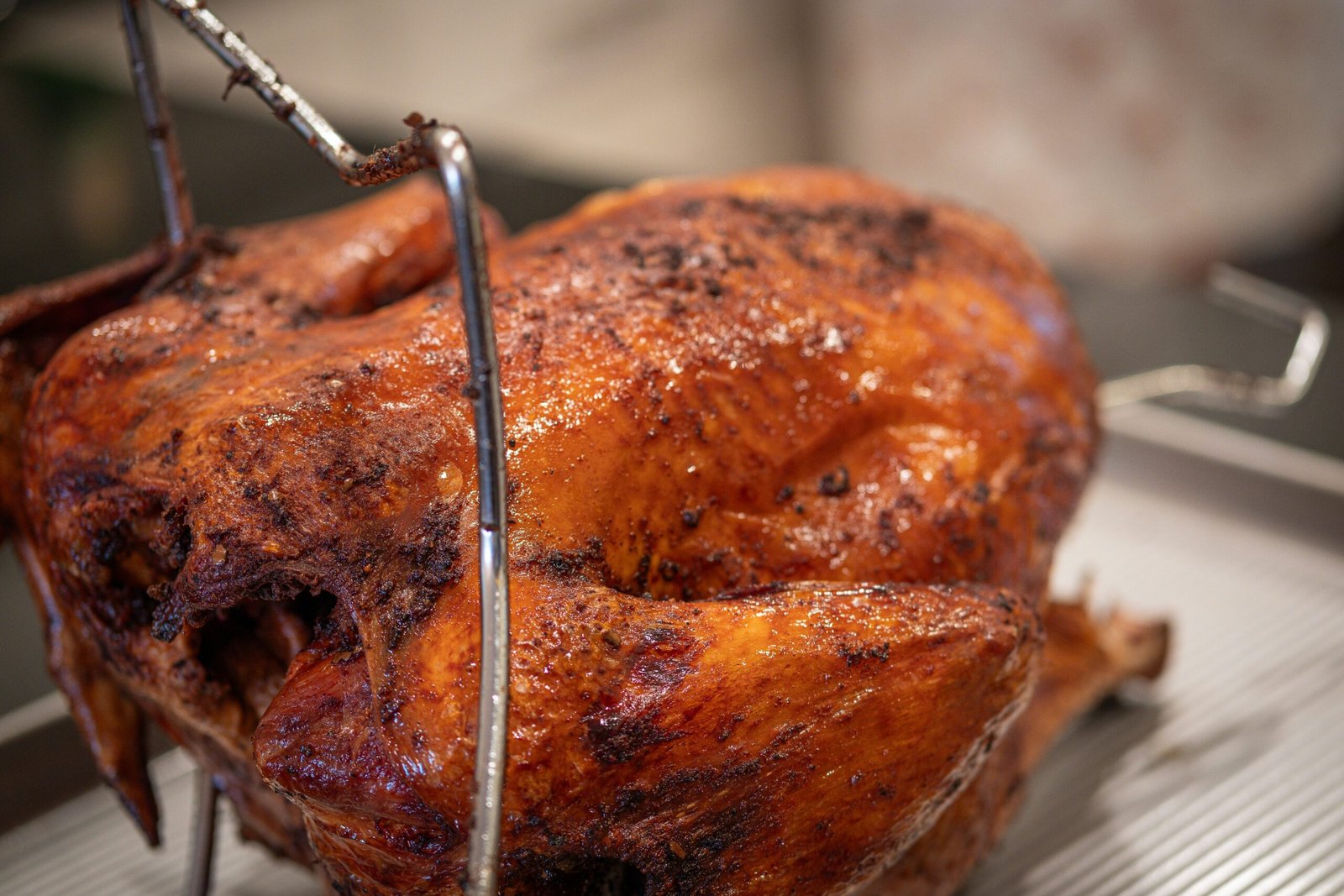
Cooking turkey breast is often seen as a simpler alternative to preparing a whole turkey, but achieving moist, flavorful meat still requires attention to detail. A juicy turkey breast might seem straightforward, yet getting it right takes more than just turning on the oven. Some prefer this cut since it fits smaller pans, needs less time, finishes faster than a full bird. Still, even with those perks, people often wind up with bland, parched slices. Precision matters – temperature, timing, resting – all play quiet roles behind the scenes. A juicy turkey breast might seem straightforward, yet getting it right takes more than just turning on the oven. Creating a comfortable home space can make every meal feel more enjoyable.
Why This Topic Matters
Most white meat from turkeys carries fewer fats than richer parts, so it dries out faster when heated. Heat changes the fibers; picking your technique matters just as much as timing the exit from the oven. A holiday table or Tuesday dinner – either way, nailing simple steps leads to juicy, tasty outcomes every time. Whether you’re preparing a small family meal or planning a special gathering, mastering the basics of cooking turkey breast can help you consistently produce tender, flavorful results.
Most folks keep a pack of turkey breast around. That taste you get from a full turkey shows up here minus the hassle of handling something huge. Small families usually find this cut smarter. Roasting a whole bird can leave too much behind unless there is a crowd to feed.
Most people do not realize how quickly turkey breast dries out when heated too long. It contains little fat, so going just a bit past the right temp changes everything. One wrong move and what should be tender becomes rubbery. Learning the basics shifts results – better taste shows up, meals get used fully, less ends up discarded. Confidence grows quietly each time it turns out well.
Most folks link turkey breast to big moments. When it turns out just right, the dish steals the show at dinner. But if it dries out, everyone grabs more sauce instead. Getting the basics down helps every time, even when nothing’s special.
Core Ideas and Basics
Turkey Breast Anatomy Explained
White meat makes up most of a turkey breast, differing from the richer parts like thighs because it holds less fat and fewer fibers. Because of that makeup, the taste stays subtle and the bite feels soft. Yet this same trait is what lets moisture escape faster during cooking.
Moisture stays locked in better when there is little fat inside the meat. Because turkey breast does not have streaks of fat like some beef, how it’s cooked makes a big difference. Without careful heat management, it dries out fast. Keeping it tender depends largely on timing and method instead.
Fresh vs. Frozen Turkey Breast
Frozen bird needs time to thaw before anything else happens. A fresh one skips that wait, ready whenever you are.
Start by letting the frozen turkey breast lose all its ice inside the fridge. When it still holds cold spots, heat travels uneven through the meat. That means outer parts dry out while the middle lags behind on warmth needed to make it safe.
Breast of fresh turkey sits ready, yet a close look matters – check color, smell, texture without rush. Quality hides in small signs, so take time even when the package seems clean.
Bone In and Boneless Choices
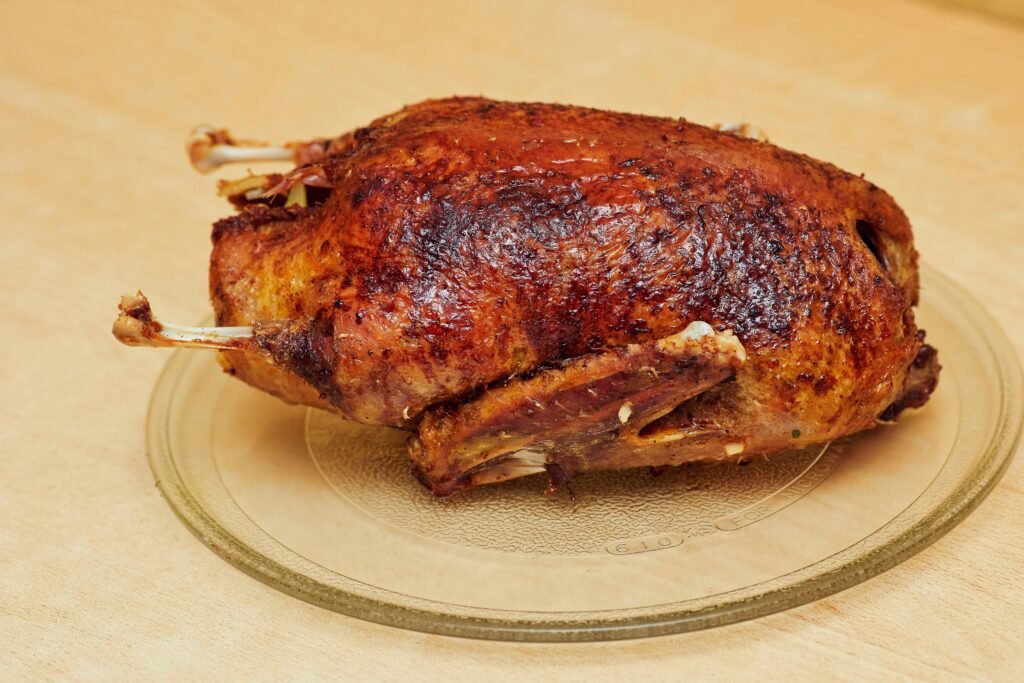
Besides holding onto juices better, bone-in turkey breasts cook more evenly. Heat moves through the meat differently when a bone is present. Flavor deepens because of it too.
Boneless turkey breasts skip the fuss of slicing, plus they tend to heat through without hot spots. These cuts show up a lot on busy evenings or when just a few people come over.
One works just as well as the other – it really comes down to what you like and how much you need. Not better by default.
Detailed Expert Guide
Selecting the Right Turkey Breast
Start checking details while still shopping. Pick turkey breasts that have even thickness throughout, along with a natural, fresh appearance. When parts are too thin, they’ll finish cooking sooner, leaving some spots underdone. Uneven shape leads to inconsistent texture in the final dish.
Watch the date on the package. If there’s too much liquid inside, it might have been stored wrong.
Proper Thawing
One of the most overlooked steps in cooking turkey breast is thawing. Most people skip thawing when they cook turkey breast. Its importance is greater than most people appreciate.
Start slow if you want it safe – cold air works best inside a fridge. That path needs time on your side, yet delivers steady outcomes every single run. Speedy techniques? They often risk how it feels plus whether it stays sound to eat.
Brining Keeps Meat Juicier
Some seasoned chefs swear by soaking meat before cooking. A quick dip can make a real difference in moisture retention.
Water soaks into the meat when you brine it, adding extra juiciness ahead of cooking. Seasoning spreads deep inside the bird because of this method, not just sitting on top.
Water mixed with salt forms the base of most brines, while extras like herbs show up when extra depth is wanted. Garlic sometimes joins in, bringing its sharp note along. Citrus peels drift into the mix if a bright twist feels right. Spices appear too, depending on what kind of warmth the moment needs.
Seasoning Strategies
Most folks find turkey breast takes on tastes quite easily. It bends to whatever seasonings come its way.
Classic seasonings include:
- Rosemary
- Thyme
- Sage
- Garlic
- Black pepper
- Paprika
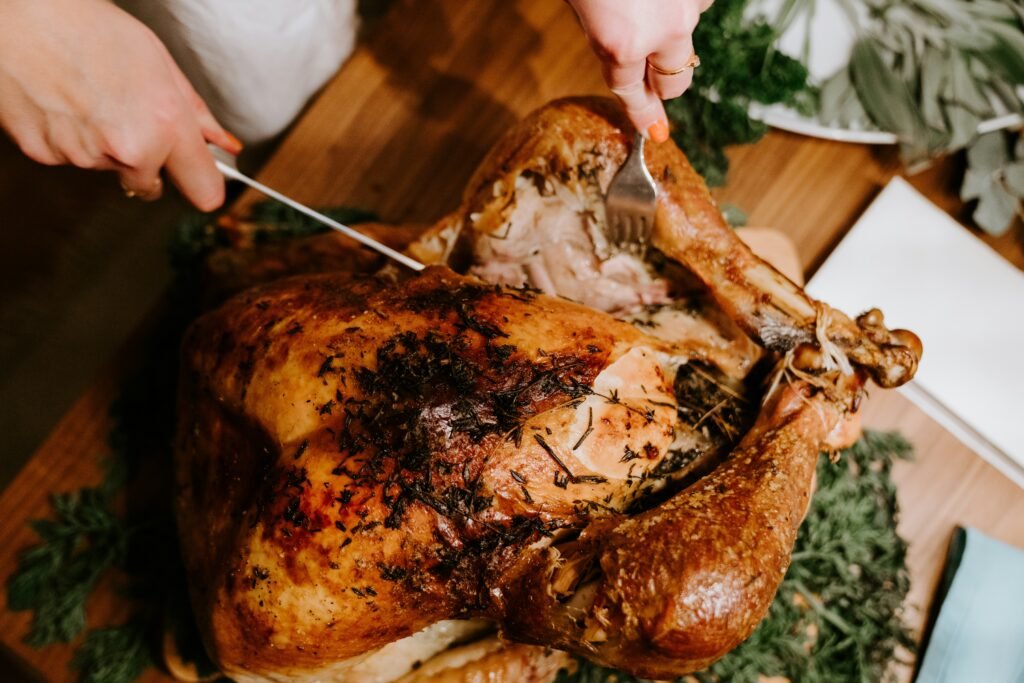
Seasoning works best when it highlights what the meat already tastes like. Instead of covering it up, let the spice blend quietly support the richness underneath. A pinch here enhances without shouting over top. Think balance – where salt lifts but does not dominate. Flavor finds space when spices stay in step.
Slipping spices under the skin, if you can, spreads taste more evenly plus keeps the meat juicier.
How Different Ways of Cooking Affect Food
Several methods work well for cooking turkey breast. Baked slowly, a turkey breast turns tender. Roasting brings out its natural flavor when done right. Moist heat from braising keeps it juicy. Grilling adds a smoky touch if watched closely. Each way changes the texture just enough.
Oven Roasting
Still, roasting tops the list when it comes to cooking methods. A rich crust forms outside even as heat moves slowly through every part of the cut.
Baking works best when the heat stays steady throughout. Watching it closely makes a difference in how things turn out.
Slow Cooking
Starting at low heat, these pots keep food juicy without much effort. Because they pull apart easily afterward, pulled turkey turns out just right when cooked slow.
Grilling
Smoke curls into the food when it’s grilled, giving it a rich color on the outside. Still, keeping heat under control matters just as much to avoid losing moisture.
Smoking
Smoke adds layers of taste that feel rich and deep, usually chosen when families gather for holidays or something worth celebrating.
Temperature Management
Perhaps the most important aspect of cooking turkey breast is temperature control. Temperature control might just be what matters most when cooking turkey breast. It sets how things turn out more than anything else could.
Most kitchen mishaps happen when cooks watch the clock instead of checking how hot food really is inside.
A small difference in oven heat might change how fast it cooks. The size of the meat matters just as much as where you started. Check with a quick-read thermometer – it shows when it is ready.
For better accuracy, understanding safe internal cooking temperatures for poultry helps ensure the meat is both safe to eat and properly cooked without unnecessary drying.
Most seasoned cooks pull the turkey breast out just shy of done since residual heat keeps working once off the stove.
Resting After Cooking
Sleep matters when peak performance is the goal. A body in motion still needs moments of pause.
Right after leaving the oven, a turkey breast holds most of its moisture deep inside. Slicing it too soon means that liquid slowly leaks across the countertop instead.
Once the meat sits, its juices settle back in – texture turns smoother, each bite holds more of what made it rich. Stillness does that.
real world examples practical applications
Family Weeknight Dinner
A single cut of turkey, free from bones, often lands on the table when evenings grow short. Speed matters more once daylight fades. Whole birds take time – this does not. Families move quickly then, drawn by minutes, not hours. Faster heat means earlier plates. That shape fits busy routines better.
Baked just right, with spices added at the right moment, it turns into a rich centerpiece for dinner – later finding new life in lunches like cold cuts on bread, mixed greens, or simmered into broth. Then again, watching the heat closely makes all the difference when stretching meals ahead.
Holiday Gatherings
Smaller holiday celebrations increasingly feature turkey breast instead of a whole bird.
With this method, getting ready takes less effort yet keeps the classic tastes alive. Though simpler, it doesn’t lose what matters most in flavor.
Meal Preparation
Many people use cooking turkey breast as part of weekly meal planning. Baked turkey breast shows up often in household menus each week.
Later in the week, cooked turkey works well inside sandwiches when sliced thin. Another option is tossing it into grain bowls for extra substance. Sometimes it fits right into a pasta dish without much fuss. Or perhaps scattered across a salad, it adds needed weight.
Health-Conscious Eating
Most people pick turkey breast since it packs plenty of protein while staying light on fat.
Because of this, many people who want meals that are both tasty and well-rounded tend to choose it.
common mistakes and how to avoid them
Overcooking
Most people still cook things too long.
Faster drying happens when turkey breast gets too much heat, since it carries little fat.
A different way to avoid trouble? Try checking temperature instead of just watching the clock.
Skip The Rest
Many people are eager to serve immediately.
Moisture slips out fast when you cut into it early, leaving less inside.
Insufficient Seasoning
Turkey breast has a mild flavor profile.
Under-seasoning can result in bland meat even when texture is excellent.
Uneven Thickness
Thick spots here, thin patches there – cooking turns lumpy when layers change too much.
A flat piece of turkey breast cooks more evenly when it’s picked carefully. Shape matters because uneven parts burn while others stay raw.
Ignoring Carryover Cooking
Heat keeps working inside the bird even when it’s off the burner.
When people ignore this effect, meals tend to cook too long by mistake.
Frequent Oven Opening
Every time you pull open the oven door, warmth escapes fast. That sudden shift messes with the internal climate. Each peek drops the heat just enough to slow things down.
Peeking through the glass now and then keeps heat from escaping too often. Cooking stays steady when you check without opening the door.
Expert Tips And Best Practices
Notice the Temperature of Your Room
Though it’s wise to stick to food safety rules, knowing how cold the turkey is at the start makes its cooking pattern easier to guess. Not every bird heats up the same – starting point matters more than most think.
Use Aromatics Strategically
Besides adding depth, onions bring a sweet note when roasted alongside celery. Garlic slips in quietly, building richness without taking over. Herbs toss in their scent at just the right moment, weaving through the heat. Together, these pieces shape what your nose catches before the first bite even arrives.
Protect Thin Sections
Should the turkey breast taper sharply at one tip, that part might need extra shielding while roasting to keep juices inside.
Keep Detailed Notes
Professional cooks often document cooking temperatures, times, and outcomes.
Success repeats more smoothly when written down. What works once can work again if tracked clearly. Notes turn moments into patterns worth following. Each detail recorded builds a path others might walk too.
Consider Compound Butters
Under the skin, a well-prepared blend of butter adds richness while locking in juices.
Match Cooking Method to Purpose
What works best changes based on how you plan to use it.
One way to serve turkey is roasted, great when you want it centerpiece-ready. Another option involves long cooking at low heat, which pulls apart easier later.
Troubleshooting Common Issues
My Turkey Breast Is Dry
Mistakes in timing often leave food too dry. That happens when heat stays on too long.
Start by checking how hot your stove runs – sometimes it lies. A faulty reading skews everything that follows. Wait a beat after turning off the heat; timing matters just as much as warmth.
The Outside Is Turning Brown Too Fast
Heat levels could overwhelm the kitchen space. Sometimes, distance from the flame is simply too small for safe roasting.
Shifting things around might lead to food cooking more evenly. How it sits makes a difference sometimes.
The Center Is Not Fully Cooked
Usually happens if the oven heat keeps changing. Another reason might be a turkey that still has ice inside.
The Meat Lacks Flavor
Maybe add more salt, soak the meat beforehand, or toss in fresh herbs along with garlic and onion. Sometimes even a splash of vinegar brightens things up nicely.
The Skin Is Not Crispy
Wetness on top could stop it turning brown.
Moisture gone, a roast brings out smoother surfaces. Skin changes when heat meets dryness first.
The Texture Is Rubber Like
Uneven heat during cooking might cause this. Another reason could be skipping enough resting time once done.
Frequently Asked Questions
Among poultry options, does turkey breast stand out for health benefits?
Most times, turkey breast carries less fat compared to dark chicken parts yet delivers plenty of protein. A lean option often chosen without much thought – it fills needs quietly.
Should turkey breast be covered while cooking?
Later on, some leave it open so it can brown, though they start with a lid to keep steam in.
What signals tell you the turkey breast has finished cooking?
A food thermometer gives the truest picture of what’s happening inside. How hot it really is comes down to that reading deep within.
Is it possible to cook turkey breast before the day you need it?
True. When kept right, leftover turkey breast stays good for different dishes later in the week. Some people toss it into salads two days after cooking. Others mix it into soups when they need something warm. A few slice it thin for sandwiches on day three. It holds up well if chilled quickly. Many find it useful around the kitchen when time gets tight. Stored correctly, it does not spoil fast. Each bite still tastes clean, familiar. That quiet usefulness makes it stick around bowls and plates longer than expected.
Is brining necessary?
Moisture stays better when brining happens, though it is not required. Flavor spreads more evenly because of this step sometimes.
What is the biggest mistake people make?
Too much time on the heat turns meat stiff fast – moisture fades early. A minute too long changes everything.
Conclusion
Cooking turkey breast successfully comes down to understanding a few key principles: Though easier than tackling an entire bird, it demands focus throughout. Key ideas matter – keeping in mind how water stays locked inside, watching heat closely, getting the meat ready the right way, then letting time do its part. Expect good outcomes only if each step gets respect without rushing.
Most folks overlook how much care shapes a meal. Good picks at the store set the stage – fresh matters more than many admit. A pinch of salt here, a dash of pepper there, done slow builds flavor deep inside. Watching the thermometer closely keeps things from going too far. Letting it sit after heat does its job – that quiet time changes everything. Dryness slips away when patience shows up early. Juices settle. Taste wins.
Cooking turkey breast well might just stick around your kitchen forever. Once you get the hang of it – heat, timing, resting – it shows up right when needed. Holiday feasts lean on it. Weeknight plates welcome it. Even surprise guests find it dependable. No magic tricks, just steady attention and knowing how heat changes the meat. Each try adds something quiet but useful to your rhythm. Meals turn out full without needing fuss. Later, someone remembers how good that one dinner felt – not why, just that it did.