
Spotting the Difference Between Lawn Vole Vs Mole Damage. Anybody looking forward to maintaining a clean, healthy and lasting lawn in their homes needs to know how to differentiate between lawn vole vs mole damage. They can leave quite a mess in your yard until they finally decide to move on, but the type of damage that they cause, where this happens, and the long-term impact can all differ greatly from one set of animals to another. Homeowners see one and mistake it for the other, frequently deploying the wrong treatment — or squandering money, time and effort.
This guide covers everything in layman’s terms: Detecting each type of damage, what it is, why it happens, and how to prevent and fix damaged areas. By the end, you will be able to walk through your yard and have an instant sense of what’s going on beneath the surface.
How Are Voles and Moles Different?
A good place to start is with some information about what both of these creatures are and how exactly they behave. Their names might rhyme, but voles and moles are entirely different animals having entirely different lifestyles.
Voles: The Plant-Eating Rodents
Voles are tiny rodents that resemble mice in appearance to mice. They have short tails, bodies that are somewhat stocky and a fondness for vegetation. Their main diet includes:
- Grass roots
- Plant stems
- Bulbs
- Tree bark
- Seeds
They live near the surface of the soil as they nibble on grass, creating little runway paths.
Moles: The Insect-Eating Tunnel Experts
Moles are not rodents. They are insectivorous mammals with long, pointed snouts and large claws for digging. Their main diet includes:
- Earthworms
- Grubs
- Soil insects
They seldom eat plants, but their incessant foraging disrupts the soil, creating raised tunnels and mounds.
Lawn Vole vs Mole Damage: The Main Differences
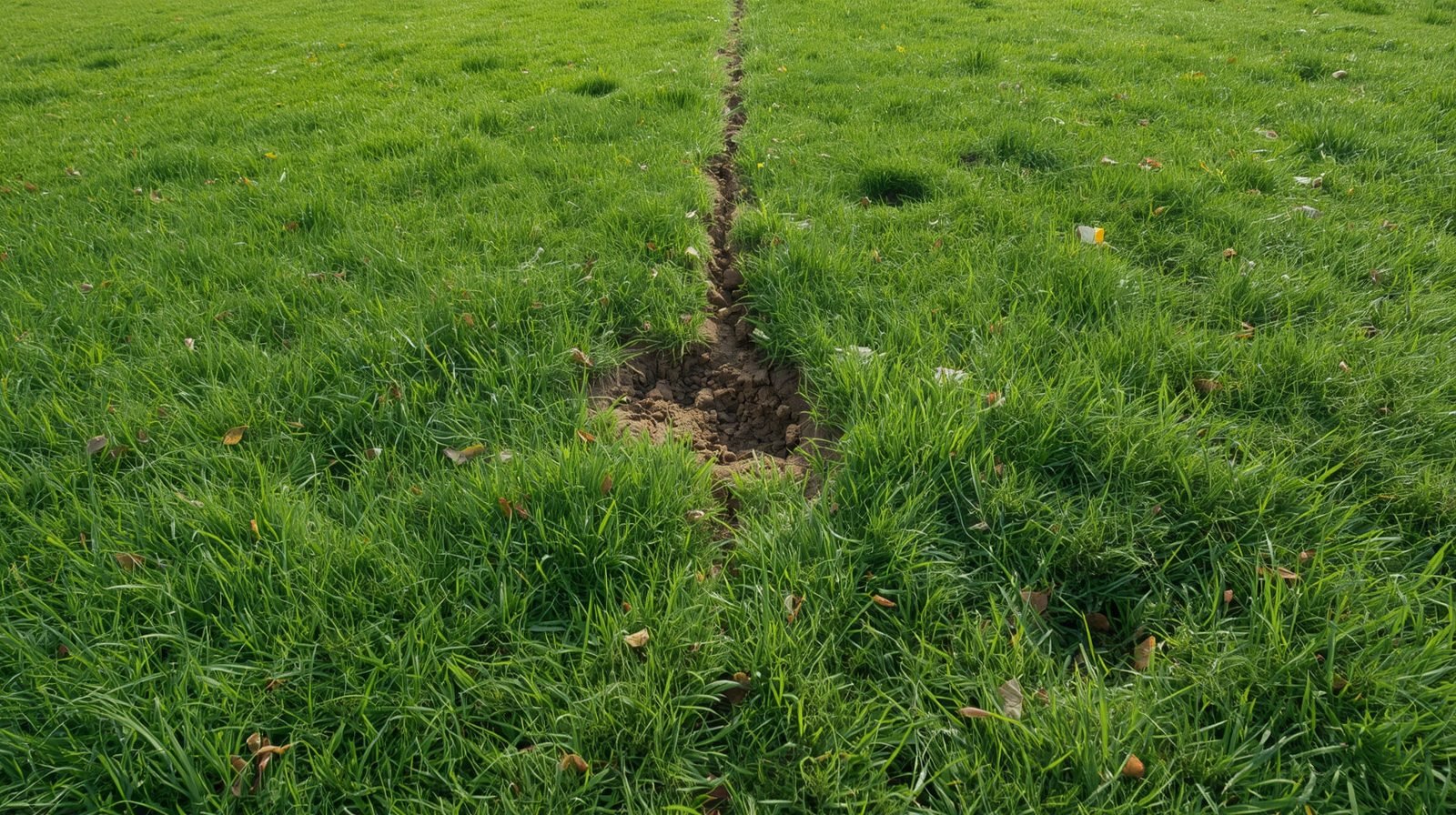
Lawn Vole vs Mole Damage: How to Tell the Difference
Here is a neat side-by-side visual that makes it instantly clear which animal is causing the issue in your yard.
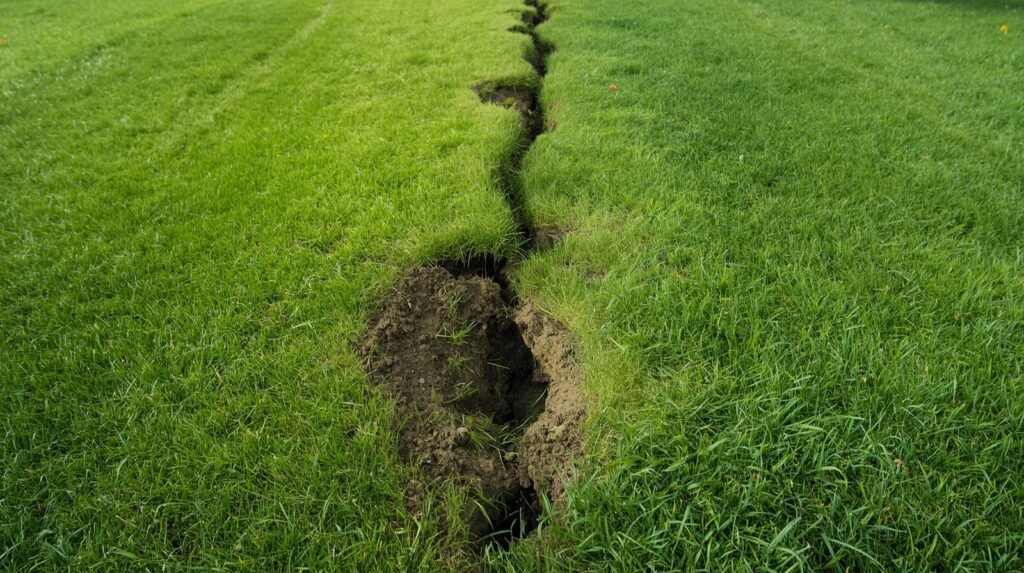
Vole Damage: Above-Ground Networks and Plant Losses
Vole damage is generally easy to spot after you know what you’re looking for. These animals are surface-dwelling and frequently utilise the natural grass cover for protection from predators.
Common Signs of Vole Activity
1. Surface Runways
Voles burrow in shallow runways through the top layer of your lawn. These appear as slender, tread-down paths where the grass has expired or is cropped from the edges. The trails usually form around:
- Gardens
- Flower beds
- Shrubs
- Mulched areas
You may also see small droppings along the paths.
2. Chewed Grass and Plants
Because voles eat vegetation, they often chew:
- Grass blades
- Seedlings
- Flowers
- Garden crops
- Tree bark (especially at the base during winter)
If the base of a young tree is stripped in a ring pattern, voles are almost always responsible.
3. Small Entry Holes
Voles use tiny round holes, often 1–2 inches wide, to enter underground nesting areas. These holes may appear next to runways or near dense vegetation.
Mole Damage: Raised Tunnels and Soil Mounds
Most of the mole’s life is spent underground. Since they bore tunnels for their food, their damage is structural instead of aesthetic.
Common Signs of Mole Activity
1. Raised Surface Tunnels
These tunnels feel soft when you walk on them. They run just below the surface and are created as moles search for insects.
2. Mounds of Fresh Soil
Moles create cone-shaped mounds through which they push soil to the surface. These are often called:
- Molehills
- Soil volcanoes
- The soil in these hills is usually fine, loose, and fresh.
3. No Damage to Plants
Moles feed on insects; they do not consume plant material like voles! If your lawn looks disrupted but all plants are present, moles are probably the culprit.
Why It’s Important to Tell Voles Apart From Moles
If you’re treating the wrong problem, that’s labour wasted. For example:
- If you are focused on moles and the actual culprit is voles, your plants will continue to die because it still rodent activity.
- If you assume that a “mole-like tunnel” can only indicate the presence of moles, you may incorrectly attribute plant death to tunnelling instead of voles eating the roots.
- Correctly identifying lawn vole vs mole damage means selecting the right method of prevention and fixing the lawn.
Areas Where Voles and Moles Prefer to Live
Where Voles Usually Nest
Voles prefer to stay near protective cover, such as:
- Dense grass
- Mulch beds
- Groundcover plants
- Wood piles
- Compost piles
- Bushes
They often use natural features of the landscape to hide their presence.
Where Moles Usually Tunnel
Moles are drawn to:
- Moist soil
- Lawns with thick thatch
- Areas with rich earthworm or grub populations
Their tunnel systems can spread widely beneath the surface.
How to Confirm the Difference Using Simple Tests
1. Gently Press the Tunnel
Press the raised tunnel flat using your foot.
- If it reopens within a day, moles are active and digging.
- If it remains flat, the disturbance was likely caused by voles or another surface animal.
2. Look at Plant Base Damage
Inspect the stems of your plants or shrubs.
- Chewed, bark-stripped, or gnawed stems = voles
- Healthy stems with no chewing = moles
3. Inspect Hole Size
- Vole holes: small, round, about 1–2 inches
- Mole hills: large mounds of soil with no visible entry hole
Moles Aren’t the Problem. Why Voles Are Worse, and What to Do About Them
Moles can mar your lawn, but they typically do little harm to the plants themselves. Their tunnelling can even help by aerating the soil.
Voles, however, can cause:
- Plant death
- Crop loss
- Tree bark damage
- Root destruction
This makes voles more of a long-term threat to gardens.
How to Fix Damage From Voles or Moles in Your Lawn
Fixing Vole Loses
Vole damage repair is a matter of restoring the cosmetic surface and plant health.
Steps to Restore Vole-Damaged Lawns:
- Rake the Runways
Smooth out trails and break up compacted grass. - Overseed Bare Areas
Apply grass seed to rebuild damaged patches. - Water Lightly
Keep soil moist to encourage new growth. - Protect Young Trees
Use mesh trunk guards if voles have chewed the bark. - Remove Excess Mulch
Thick mulch attracts voles by offering protection.
Fixing Mole Loses
Mole activity can leave your lawn irregular, but most injuries are superficial.
Steps to Restore Mole-Damaged Lawns:
- Flatten Raised Tunnels
After flattening the tunnels and levelling the soil, it also helps to know when to aerate your lawn to improve root recovery and better soil health.
Gently step on them to level the soil. - Remove Soil Mounds
Rake out the loose soil and spread it evenly. - Water the Area
Moisture helps the soil settle naturally. - Fill Persistent Holes
Use topsoil to refill deeper areas.
Prevent Future Vole and Mole Causes
Preventing Vole Damage
- Mow the lawn grass short.
- Eliminate hiding places, such as dense mulch and piles of leaves.
- Store birdseed in sealed containers.
- Maintain beds free of litter and debris.
- Place small, underground barriers at the edges of garden beds.
Preventing Mole Damage
- Keep the lawn healthy to minimise soil insects.
- Ensure that the lawn is well watered but not too wet.
- If grubs are heavy, apply beneficial nematicides.
- Thatch provides a source of food to earthworms and insects, so remove it.
When to Get Treatment for Professional
Here are reasons to look for professional help:
- Destruction continues despite prevention efforts.
- Young trees or shrubs have been killed by voles.
- Your yard is riddled with mole tunnels.
- You don’t know which critter is to blame.
A professional will be able to inspect the lawn and provide specific solutions.
Seasonal Vole and Mole Destructions
Knowing the seasonal behaviour is useful for prevention.
Voles
- They are mostly known to be active in the winter and early spring.
- The munchies get worse in winter, when food is scarce.
Moles
- Most active in the spring and fall when insect populations are high.
- Impaired performance in very dry or frozen air.
Lawn Vole vs Mole Damage: Summary Table
| Feature | Vole | Mole |
| Eats Plants | Yes | No |
| Soil Mounds | No | Yes |
| Surface Trails | Yes | Sometimes |
| Tunnel Depth | Shallow | Deep + Shallow |
| Damage Level | High | Mostly Cosmetic |
Conclusion Thoughts
Understanding Lawn vole vs mole damage is important to be able to determine so that you can prevent them. Moles make a visible mess in soil lines while voles chew up plants, roots and trees. Since the symptoms can sometimes be overlapping, you will need to pay close attention to surface patterns, damage on plants, holes and soil composition in order to correctly identify it. You can repair the lawn, prevent further problems and keep your yard healthy and also explore more helpful home and lawn care tips on our site