Home tips livpristvac focus on simple, practical actions you can take to make your living space work better for you. Look past the noise – small shifts matter most when shaping how a house feels. Picture opening cabinets that actually fit what you own. Think about moving through morning steps without tripping over confusion. Solutions here grow from real methods people have tested, not trends passing by. A quiet change today might save minutes each day, then hours across months. Little moves stack into smoother days, no big spending needed.
Here’s a look at practical home tips livpristvac that fit most situations, explained simply so you see how each one functions. You will find out what makes them useful through straightforward examples. Each part shows real use without extra detail or guesswork. The method behind each tip becomes clear as you go. Everyday routines can include these methods with little effort. Seeing them in action helps understanding grow naturally.
What “Home Tips Livpristvac” Means
Home tips livpristvac means looking at how you care for your space with calm attention. Not running after flashy ideas or shopping more, but working wisely with what’s already around you. Tiny choices add up when they fit your daily rhythm without effort. Arranging rooms happens slowly, shaped by real life instead of perfect pictures. Over time, it feels less like upkeep and more like moving through a place that knows you.
Start here instead of dreaming big – tiny tweaks change how a space works, how it sits with you daily. Not about full rebuilds or deep spending, just practical moves anyone can take without emptying pockets.
Homeowners looking to enhance comfort and style can benefit from creative house upgrade strategies and simple renovation ideas for a better living space that make everyday environments more functional and appealing.
1. Begin by Removing Clutter and Reducing Complexity
Stuff piles up slowly, yet its weight shows fast. Once cleared, the room appears – both around you and inside your head. A plan keeps things from slipping past notice. Without one, small items grow into big distractions.
Start somewhere small, just a single space. Group things into piles – ones you use, ones to give away, and others to toss out. Think about each piece: does it do something useful or mean something real? When it doesn’t, set it free. Slowly, the clutter fades, surfaces clear, tasks take less effort.
Out here, clearing clutter does more than tidy up rooms. Routines flow more easily when stuff is gone. Less weight sits on your mind. Attention lands where it should – right on what counts inside your place.
2. Small cleaning habits every day
Start by wiping one surface while you wait for the coffee to brew – tiny habits stack without needing a full afternoon. A cluttered shelf loses its hold when you remove just two items every evening instead. Moments add up if you fold towels right after drying dishes, slipping order into routine gaps. Freshness appears quietly through these slivers of attention, never demanding perfection.
For example:
- Wipe kitchen counters after each meal
- Vacuum high‑traffic areas every other day
- Do a quick bathroom wipe‑down while getting ready in the morning
A few minutes each day tidying up means less stress come Saturday. Wipe surfaces after use – a damp cloth works fine. A handheld vacuum picks up crumbs fast when used nightly. Spray spills while they’re fresh; wipe right away. Microfiber traps dust better than paper towels ever could. Clean one shelf at a time, not the whole room. Bottles of multipurpose spray last longer if stored upright. Floors stay clearer when tracked spots get immediate attention. Small efforts spread out beat marathon scrubbing any week.
3. Smart Zones for Storage
What you do with your storage matters more than how much you have. Through smart arranging, things you use every day show up faster plus stay out of the way when not needed.
Pile alike things into clusters, then tag each cluster with its own spot – say, one part of the closet holds winter coats, another drawer stores chargers. Hidden corners turn useful when you hang slim racks behind doors, slot in rising boxes, or drop see-through cases where gaps remain. Space stretches further if you think upward, sideways, or even backwards. Sections grow clearer once every object has a named home, not just a hiding place.
When spaces are organised, finding stuff takes fewer steps. That leaves extra moments to actually work with what you need.
4. Build Habits That Last
When you do things the same way each day, cleaning feels lighter. Following basic steps over time – washing clothes, clearing plates, checking what needs fixing – means less thinking later. A steady rhythm makes chores fade into the background. Little habits stack up without shouting about it. Doing the usual stuff regularly keeps dust and stress quieter. Structure shows up quietly but never leaves.
Morning light hits the floor when clothes get sorted on certain days. A list sticks to the fridge each week, guiding what needs wiping or tidying. When night comes, clutter lifts from counters as things find their usual spots again. Over time, hands move without thinking, doing what once needed reminders. Habit takes hold, not because of force, but repeated steps done the same way.
Mornings rush by fast in homes where schedules shift without warning. Still, a flexible setup keeps things moving smoothly when plans change overnight.

5. Use All Spaces Well
Home spaces sometimes sit idle, thanks to how furniture is arranged or simply being forgotten. Shifting how we see room layouts might just breathe new life into them. A fresh look at flow, minus knocking down walls, could open up possibilities where none seemed to exist.
For example:
- A slim trolley slips into tight spaces between counters. It holds cooking tools neatly when parked in an empty slot. Storage appears where there was none before. This rolling unit fits where cupboards won’t reach. A quiet fix for cluttered drawers shows up on wheels
- Place hooks behind doors for bags or accessories
- Use stackable bins to take advantage of vertical closet space
What looks minor can actually make things work much better while staying clean. A little tweak goes a long way when it keeps the interface clear.
6. Make the kitchen work better
A space where meals come together shapes much of everyday life. When set up right, it changes how smoothly things move through the day. Focus on reach and use before looks take over decisions. What matters most shows up when everything has its place.
Baking gear lives best when stored together. Near the dishwasher works well for daily plates and bowls. A tension rod holds cutting boards standing tall. Labels you can actually read make everything easier. Zones help find things fast. Less clutter means more space to work. Cleanup feels lighter when stuff has its spot.
Meal prep gets smoother when counters stay clear, while clutter fades into the background of daily routines. Cleanup becomes lighter once tools have their spots, because everything has a place to rest between uses.
7. Comfort Through Light and Ambience
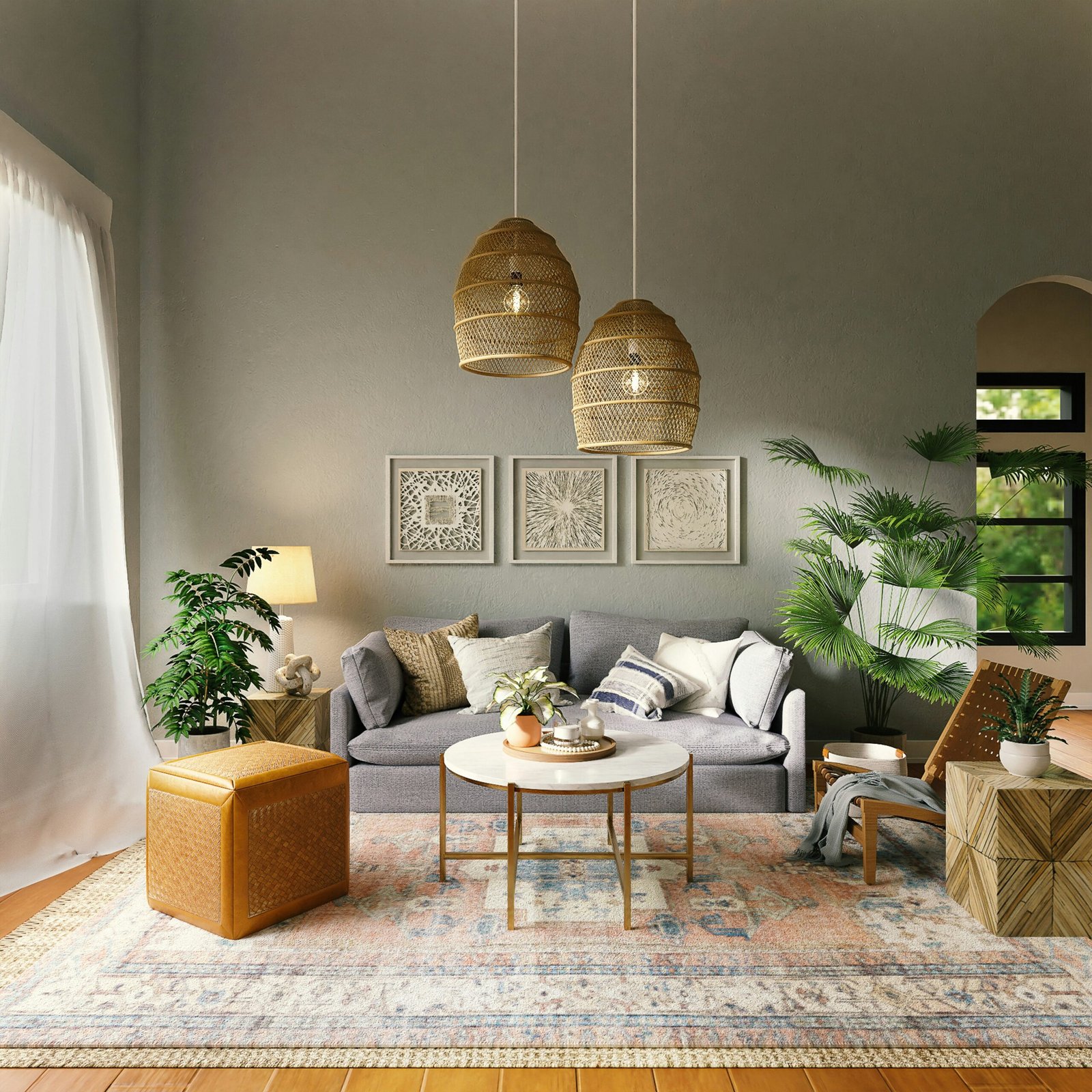
Home comfort goes beyond sofas or chairs. How a room seems can shift how you feel inside it. Light matters more than most think. Mix ceiling fixtures with standing lamps, add small bright spots where needed. This blend lets one moment be calm, the next sharp and clear. Adjusting light changes everything without moving walls.
A gentle glow tends to make sitting rooms seem more inviting, whereas a clear yet mellow shine helps keep attention sharp where tasks happen. Scents brought in through simple means – like burning wax or misting oils – lend warmth to a space, just enough to feel good but never too much.
Little changes around the house can lift how you feel when unwinding or getting things done. A shift here, a swap there – suddenly the space works better for resting and focusing alike.
8. Cleaner Air, Better Health
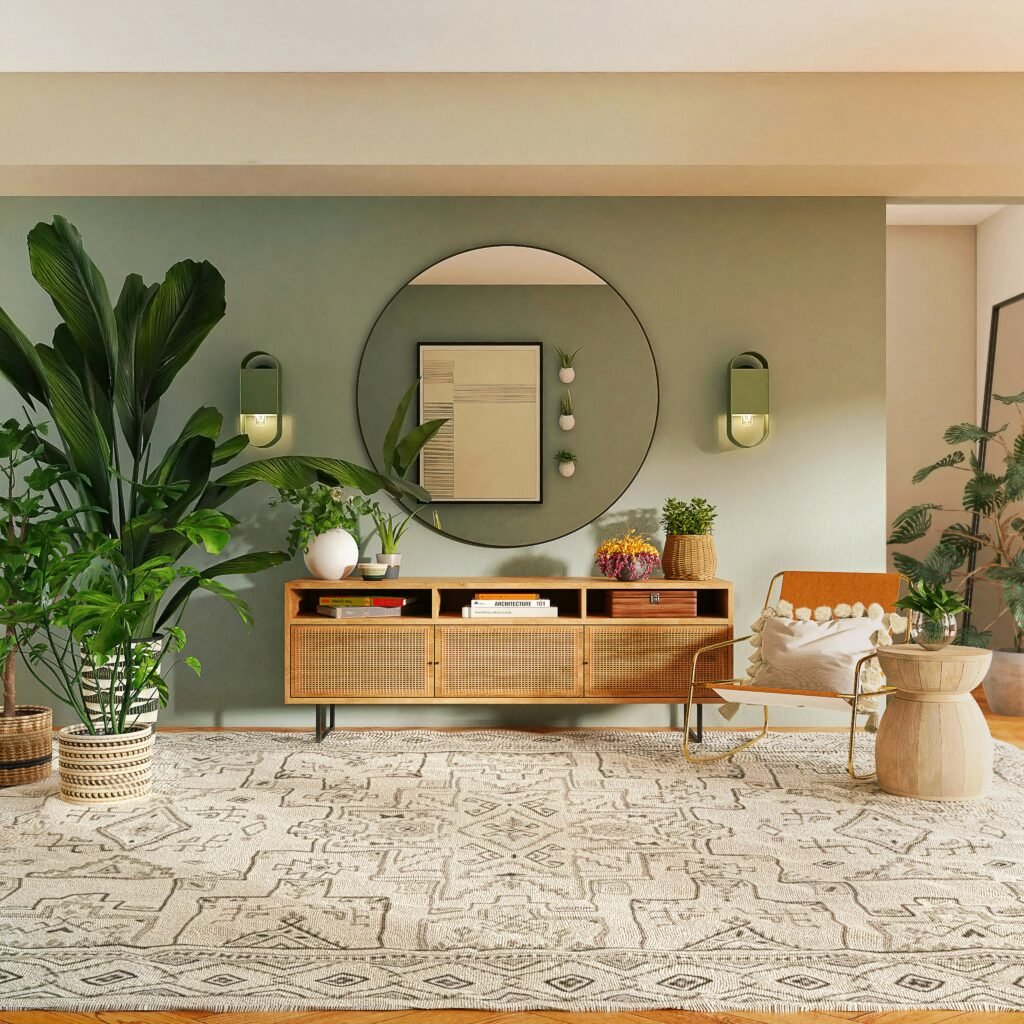
A tidy space feels good to look at – yet it does more than that, too. When you let breezes flow through open windows, stale air escapes outside. Green life indoors, such as snake plants or peace lilies, quietly cleans what we breathe while adding quiet bursts of oxygen.
Fresh air inside your home might ease allergy symptoms while also improving how you rest at night along with daily energy levels. When paired with routine surface wiping and clearing out airflow pathways like ducts or filter units, small adjustments slowly shape a space where health feels easier.
9. Simplify Tech With Smarter Efficiency
Even basic gear works well when it simplifies chores around the house. Gadgets like a timer, lights that adjust on their own, or a thermostat you set once help things run smoother. Efficiency shows up in small ways, often without flashy parts or complex setup.
A timer on the lights might help your evening flow better while cutting down power. When gadgets switch off by themselves, or alerts pop up for chores, things just run smoother. Little hiccups fade away as routine takes hold without effort.
Maintain Consistency While Noticing Progress
Having a great set of home tips livpristvac is one thing; using them consistently is another. Every couple of months, take time to look again at how things run and shift systems when needed. Needs evolve – different timetables, visitors, or weather bring small shifts that matter.
Every few months, take a fresh look at each room. Stuff once useful might now just sit there, taking up space. Out with what gathers dust, in with better flow. Shift furniture when it feels off. Checking back keeps things working right where they belong.
If you want to create a calmer and more organised home environment, exploring creative ways to declutter your living space and simplify daily life can offer practical inspiration.
Common mistakes to avoid
Good intentions aside, some routines quietly undermine a well-run household:
- Buying more storage without decluttering first
- Overcomplicating routines with too many steps
- Ignoring small messes until they become big problems
- Zoning spaces without labelling or a consistent system
Sticking around long means skipping traps that slow you down. Doing just a couple of things well every day beats chasing too much now and then.
Final Thoughts
Home tips livpristvac are rooted in practicality and intention. Not big changes but steady habits make rooms feel clear and calm. A spot for everything means less searching, more breathing room. Little efforts add up when done again and again. Life flows better where clutter fades and things have their place. Comfort grows quietly in spaces shaped by attention. Order isn’t strict – it’s built around real days. Simple acts each day keep tension low. Living well often hides in plain sight, tucked inside routine.
Start small, maybe just one corner at a time. Try changes that fit how you actually move through your days. Over weeks, little steps add up without pressure. A shelf wiped today stays clearer tomorrow. Routines grow best when they feel light, almost unnoticed. Your place shifts slowly, like tides smoothing stones. What works now might shift next month – that is normal. Staying steady matters more than speed. Enjoyment sneaks in when effort fades.