
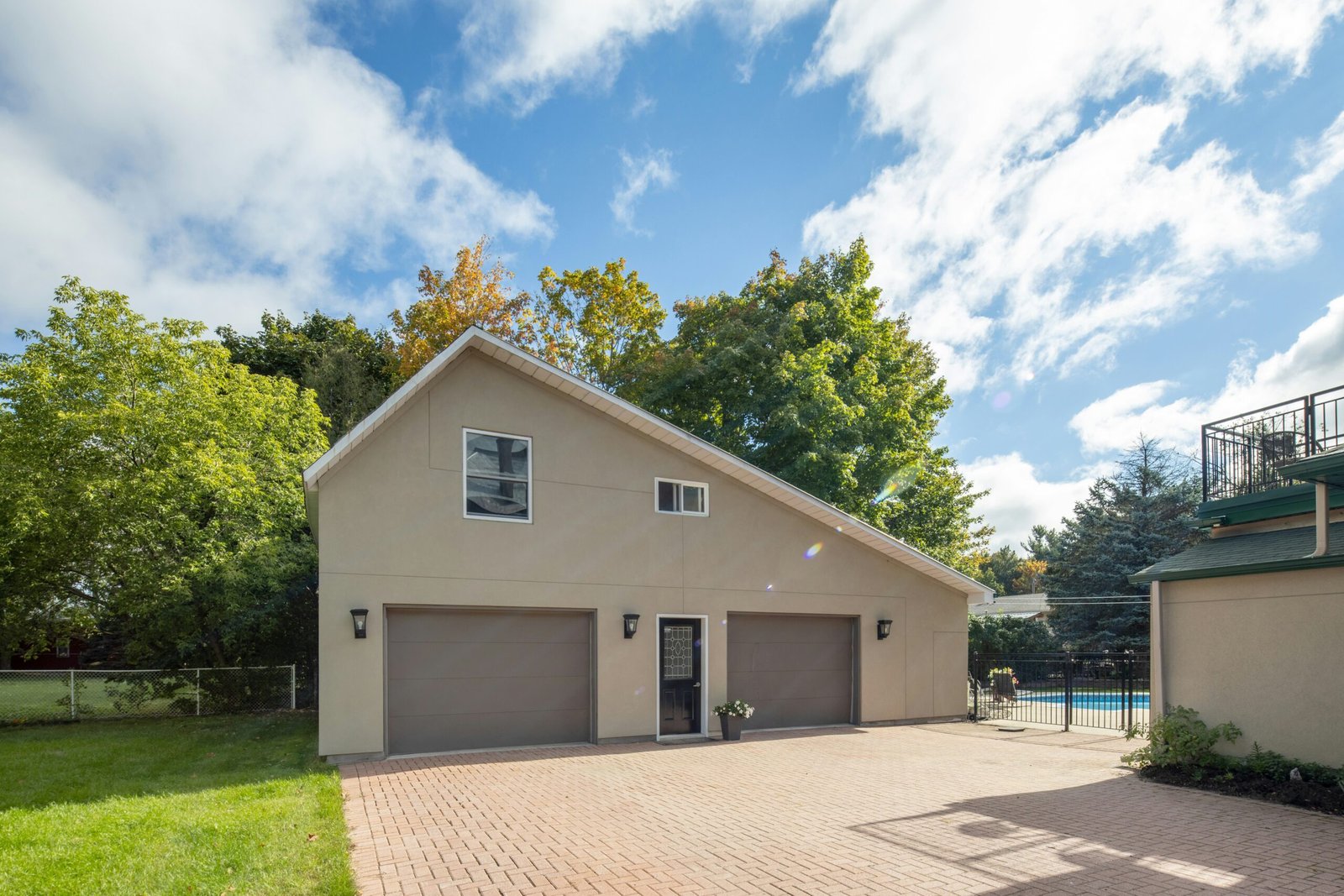
For many households, the garage is a catch-all for items that have no other place to go. Tools get tossed next to sports equipment, old boxes are tucked behind the car, and the workbench is buried under a jumble of objects.
But a garage can be much more than just a storage room. With some planning, you can create a space that allows you to work on your car, tackle weekend projects, exercise, and even relax.
The key is to think about how you want to use the space, not what you think a showroom garage should be like. Visit our home page too.
Clear the floor before buying storage
It’s easy to get caught up imagining all the cool cabinets and shelves you want to put in your garage, but first, you need to figure out what you really need to store. Clear the floor of clutter, donate any items you haven’t used in years, and sort what’s left into categories based on how you use the garage.
Once you’ve done this, it’ll be much easier to see where storage is needed and not wasted on things that should have been tossed or donated.
Create zones for different activities
A good garage layout plans for different areas based on how you use the space. Maybe one wall is for tools and another for car-care products. You could have a spot near the door for shoes, helmets, and other everyday items.
If you plan to use part of the garage as a place to hang out, make sure it’s separated from your work area. A seating area with a small fridge or table for games is much more appealing when it’s not cluttered with extension cords, old rags, and other garage debris.
Use the walls, not the floor
The floor of your garage is likely the most precious and limited space, especially if you need to store a car or two. The best way to maximize the square footage is to use shelves, cabinets, pegboards, and hooks on the walls.
This allows you to store items out of the way but within easy reach. Tools that you use the most should be at eye level, while those used less often can be higher or lower. The heaviest items should be closest to the floor for safety, and the lightest can be tucked in upper shelves or cabinets.
Add personality without filling every surface
A good garage should feel like it belongs to the person who uses it. That might mean automotive artwork, framed memorabilia, a few metal signs or a display shelf for something you collect.
The easiest way to avoid a cluttered look is to choose a few pieces that suit the space rather than hanging something on every available section of wall. Australian lifestyle stores such as Aussie Cave Co are useful examples of how garage, automotive and home-living products can sit together without the room needing to look like a themed attraction.
Make lighting and power practical
Poor lighting renders even a well-kept garage inaccessible. Good general purpose lighting is important, but even better is the addition of task lighting on your bench or detailing area.
Power points are another consideration. If you regularly charge a lot of batteries, run a vacuum cleaner, use a battery maintainer, or run power tools, you will want to avoid the mess and danger of extension cords running everywhere. Have additional circuits installed, but only by a qualified electrician.
Keep some empty space
Something you may not have thought about is leaving some empty space. An empty part of your bench, some floor space and a couple of empty shelves can help you greatly if you take up a new hobby or get a new tool. These are all things I have had to do in my own garage.
A good garage is one that makes it easier for you to enjoy your hobby, not one that breaks your budget. Organisation and decluttering are the main aspects of a good well kept garage. Put the important stuff somewhere prominent and declutter the rest. Having a little comfort and style goes a long way towards making a room inviting rather than an afterthought.