
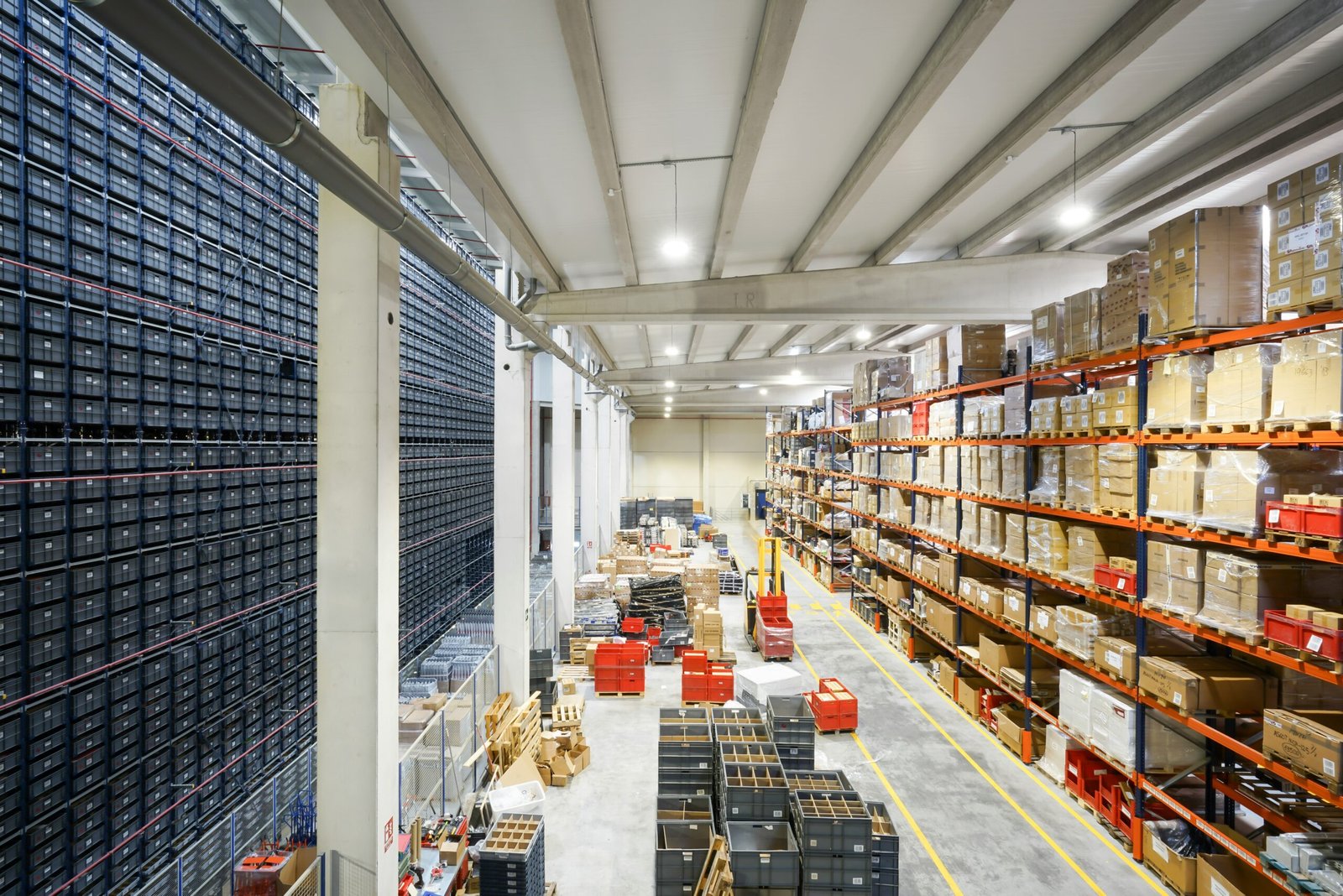
When things move or sit still, how they’re held matters a lot. From kitchen shelves to factory floors, protection keeps contents intact. If something breaks easily, goes bad fast, or weighs a ton, it demands care during shifts or stays. Exposure to weather, dirt, or rough handling brings harm. Weak containers or messy stacking cause spills, losses, and wasted time. Money slips away when what should last does not.
This is exactly what makes strong, dependable storage essential. When it comes to choices out there, plastic crates stand out as go-to helpers for moving items without damage. Built tough, shaped smart, they fit neatly into countless ways of storing or shifting things around.
Durability and Structural Strength
Heavy-duty plastic gives these crates a tough build, so they hold up when moving stuff around. Built to carry weight, they resist cracks even after many trips back and forth.
When wet or squeezed, cardboard gives way – plastic crates hold firm no matter the squeeze or weather. Where moving things around piles on stress, these tough containers keep performing without bending.
When dropped, plastic crates hold up well, shielding what’s inside. Their tough build keeps goods safe, even on bumpy rides across countries. Bumped or jostled, the load stays put thanks to solid design.
Discover creative home improvement solutions and decor trends on the home page.
Protecting From Weather And Nature
Most plastic crates keep things safe when weather gets rough. When stuff sits out in open areas, dampness might creep in, dirt could settle on surfaces, high temperatures may warp materials, insects sometimes chew through packaging. These problems happen regularly without proper shielding.
Water won’t weaken these plastic crates, so they work just as well outside as inside. Think farms, grocery chains, shipping goods – places where keeping things fresh matters most.
Moisture stays out when crates are made of plastic, so mold has a harder time taking hold. Goods inside stay cleaner because of it, staying safe from damage during moves or while sitting in warehouses. Less spoilage happens this way, which means fewer items get thrown away.
Safe stacking with better space use
Stacking matters when moving or holding items. What makes plastic crates work well is how they sit securely atop each other. Built tough with steady edges, they stand tall even under weight. Shape stays consistent, so one fits neatly over the next.
Stacked neatly, these units make better use of room in storage spaces, trucks, because they rise upward instead of spreading out. Filling the air above rather than crowding the floor below means fitting more within tight spots.
When stacked tall, plastic crates stay put because they’re built steady. Goods inside keep safe while trucks roll along bumpy roads. Even on uneven ground, these containers resist tipping over. Movement doesn’t shake them loose easily. Their shape helps lock position without extra support. During loading or unloading, nothing slips out by accident. High piles behave better thanks to balanced weight distribution.
Easy to Handle with Comfortable Shape
Carrying stuff safely? That often comes down to how simple the container is to manage. Take plastic crates – rounded corners mean less snagging, while grips molded right into the sides help when moving them around.
Light as they are, these crates ease the burden on people moving them, yet guard contents well during storage. Because they stand up to heavy use but travel easily, many businesses rely on plastic bins where shifting loads happens often.
From warehouses to trucks, plastic crates keep items moving smoothly across different stages of delivery. Because they stack well, fewer accidents happen during transfers. Moving things gets quicker when containers slide easily into place. Safety stays high since contents remain secure on each journey leg.
Keeping Storage Areas Clean and Hygienic
Most places worry about staying clean – hospitals, restaurants, kitchens. Crates made of plastic help keep things tidy since soap and water wipe right over them. Liquids slide off instead of soaking in. Smells stay away too.
After a rinse, plastic crates stay strong – ready to carry again. Wooden ones splinter, cardboard sags when wet. These hold apples just fine one week, yogurt the next. Washed under tap water, they keep shape far longer than boxes made of paper. Food moves easily inside them: tomatoes today, cheese tomorrow. Their toughness handles daily drops, bumps on delivery routes.
Because they do not absorb liquids, these surfaces block bacteria from taking hold, keeping items clean while held inside. That cleanliness makes plastic crates common throughout food transport networks.
Cost-Effectiveness and Reusability
Over time, plastic crates save money because they last so long. Since they can be used again and again, there is less need to buy new ones often – this cuts expenses for both companies and families.
One way firms cut costs? Reusing plastic crates instead of tossing single-use packages. These sturdy containers stick around – carrying goods again and again without wearing out fast. Less trash piles up when old boxes aren’t dumped after one run. Over time, fewer deliveries need new wrapping each stop along the route. Money stays put since buying less material adds up quietly. Waste slips down because the same crate shows up month after month.
Years of use make plastic crates pay off slowly, particularly where items move often from place to place. Though tough at first glance, their real strength shows over time when replacements become rare. Wherever things shift daily, these containers settle into rhythm without wearing down. Their value grows not by speed but by sticking around, outlasting the need to swap or fix. In busy settings, long life becomes the quiet win no one shouts about.
Versatility Across Industries
Out in fields where crops grow, those stackable bins show up just as often as they do on warehouse shelves. Not limited to one scene, these containers shift smoothly between farms, stores, factories, shipping hubs, even closets at home.
From tiny fragile things to bulky heavy loads, plastic crates come in shapes and sizes that fit just right. Because they shift so easily between roles, these containers handle both storage and movement without fuss.
From farm to shelf, plastic crates hold up just as well with groceries as they do in storage rooms or supply centers. When stacked full of apples or half empty in a closet, their job stays steady without surprise flaws kicking in down the line.
Conclusion
Because they last so long, guard what’s inside, and work well in real situations, plastic crates help move and keep items safe. Built tough, these containers sit neatly on top of one another while staying clean and simple to manage. Goods stay intact and sorted during shifts from place to place thanks to their layout and resilience. Since they handle many tasks without wearing out fast, choosing them saves money over time across different uses. Though lightweight, they carry heavy loads without bending under pressure found in warehouses or trucks.